

 See My Latest Article on HelloNation
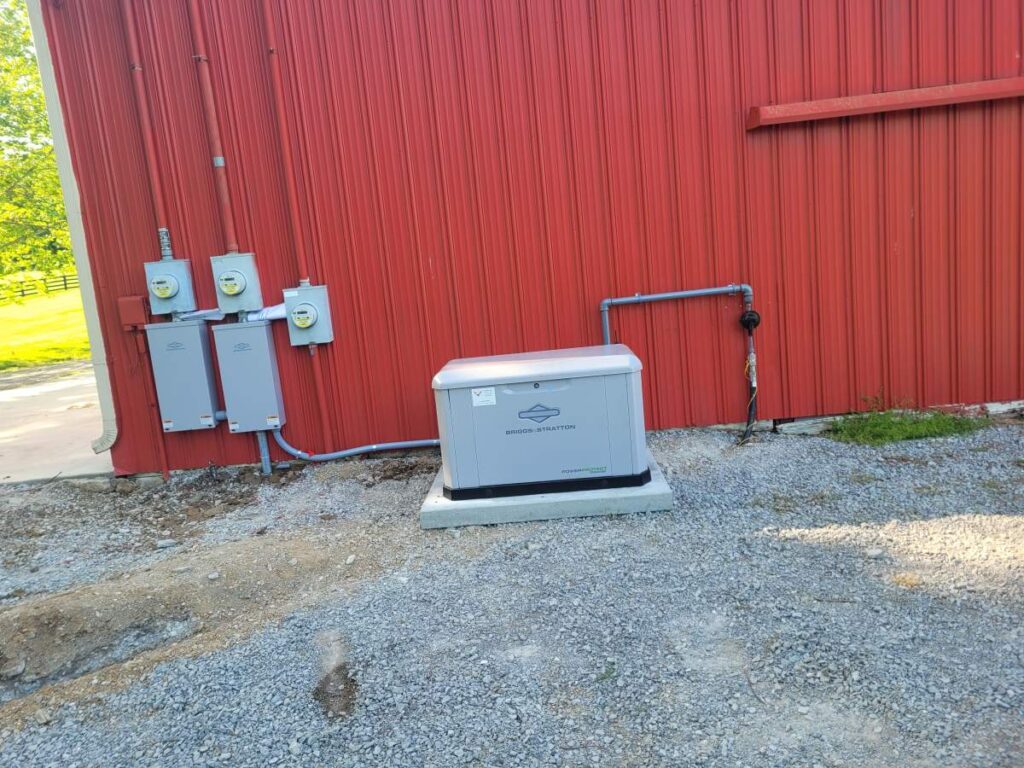
A professional generator installation is more than placing a unit beside a house and connecting a few wires. The work usually involves site planning, electrical and fuel connections, permits, inspections, startup testing, and an explanation of how the system should be operated and maintained.
For homeowners in Louisville, KY, the process may also involve practical concerns such as clay-heavy or uneven soil, older electrical systems, narrow side yards, basement equipment, mature landscaping, and seasonal storms that can bring wind, heavy rain, or ice.
What happens before installation day?
The process usually begins with a site assessment and a review of the home’s electrical needs. The installer will determine where the generator can be placed, how fuel will reach it, and how the equipment will connect to the home’s electrical system.
The assessment may include:
- Reviewing the main electrical panel and service size
- Identifying essential circuits such as heating equipment, sump pumps, refrigerators, medical devices, or well systems
- Checking whether the selected generator can start large motor-driven loads
- Measuring available space around the proposed location
- Looking for windows, doors, vents, property lines, walkways, and other features that affect placement
- Evaluating the condition of the fuel supply and electrical grounding system
- Considering drainage, slope, soil stability, and access for future service
A household does not always need every circuit powered during an outage. Many installations use a priority-based approach, supplying selected circuits rather than the entire home. Whole-home operation may require a larger generator and may place greater demands on the fuel supply and electrical service.
How is the generator location selected?
The unit is generally installed outdoors on a stable, level base, often a concrete pad or an approved composite pad. The location must allow proper airflow, safe exhaust dispersal, access for maintenance, and adequate clearance from combustible materials.
Placement is not based solely on convenience. A site that seems ideal because it is close to the electrical panel may not be suitable if it is near a bedroom window, under an overhang, in a low area that collects water, or too close to neighboring property features.
In established neighborhoods, side-yard width can be a significant consideration. Fences, additions, retaining walls, decks, and landscaping may limit available space. The installer may need to account for underground utilities before excavation or trenching begins.
The final location should also avoid areas where snow, leaves, standing water, or roof runoff could obstruct the equipment.
Are permits required in Louisville?
Electrical, gas, mechanical, and related building work may require permits before installation begins. Louisville Metro requires permits for covered electrical work, and permitted work must be inspected before final approval.
A typical standby generator project may involve more than one type of permit, depending on the equipment and the work being performed. The exact requirements can vary with the property, fuel source, installation method, and scope of the project.
The permit process commonly involves:
- Submitting project information and equipment specifications
- Identifying the property and proposed installation location
- Obtaining any required electrical, gas, mechanical, or building permits
- Scheduling inspections at the appropriate stages
- Keeping required work accessible until it has been inspected
Permits are not simply administrative paperwork. They help verify that clearances, wiring, fuel piping, grounding, disconnects, and equipment placement meet applicable safety requirements.
What happens during the physical installation?
Installation day often includes several separate tasks. The sequence may vary, but the work commonly follows this general pattern.
Preparing the base
The installation area is cleared, leveled, and prepared for the equipment pad. Depending on the site, this may involve limited excavation, compacted stone, concrete work, or adjustments to improve drainage.
A stable base helps reduce vibration and keeps the enclosure level over time. Water should not be allowed to pool beneath or around the generator.
Setting the generator
The generator is positioned on the prepared base with the required working clearances. Larger equipment may require specialized handling because it is heavy and difficult to move through narrow side yards.
The enclosure should remain accessible for oil changes, filter replacement, battery service, inspections, and repairs.
Installing the transfer equipment
A transfer switch connects the generator to the home’s electrical system. Its purpose is to prevent the generator from sending power backward into utility lines, a dangerous condition known as backfeeding.
The transfer switch may be installed near the main electrical panel or in another approved location. Wiring between the generator, transfer switch, and electrical panel is sized and protected according to the equipment and the applicable code requirements.
Connecting the fuel supply
Natural gas or propane connections must be properly sized for the generator’s demand. The fuel line may need to be extended or modified, and shutoff valves, regulators, supports, and leak testing are part of the process.
Fuel work should not be improvised. An undersized line may cause poor operation, shutdowns, or damage to the generator. Propane installations also require attention to tank capacity and available fuel during extended outages.
Completing grounding and electrical connections
The system is connected to the home’s grounding and bonding arrangement as required for the installation. The installer also verifies conduit, conductors, disconnects, weather protection, and connections inside the transfer equipment.
This work is one reason generator installation is not a suitable do-it-yourself project for most homeowners. Errors can create shock, fire, equipment-damage, or backfeed hazards.

What inspections and testing should occur?
After the installation is substantially complete, required inspections are scheduled. Some projects may require access to wiring or connections before they are covered. A final inspection generally confirms that the completed work complies with the approved installation.
Testing usually includes:
- Starting the generator manually
- Simulating a utility power outage
- Confirming that the transfer switch changes power sources correctly
- Checking that selected circuits receive power
- Verifying that the generator returns to standby mode when utility power is restored
- Inspecting fuel connections for leaks
- Checking voltage, frequency, alarms, and shutdown functions
- Reviewing unusual sounds, vibration, exhaust, or operating conditions
A properly completed test should demonstrate the full sequence, not merely show that the engine starts.
What should the homeowner be shown before the project is finished?
The final walkthrough should explain how the system operates and what conditions require attention. Homeowners should know the location of the generator’s disconnect, fuel shutoff, emergency stop, transfer equipment, and circuit labels.
The walkthrough should also cover:
- How automatic and manual operation differ
- What warning lights or display messages mean
- How to check fuel availability
- Which maintenance tasks are routine
- How often the battery, oil, filters, and connections should be inspected
- What to do if the generator fails to start
- How to keep snow, leaves, grass, and stored items away from the enclosure
- How to shut the system down safely if necessary
A written record of the model, serial number, installation date, permit information, inspection status, and maintenance requirements is useful for future service.
What local conditions can affect generator performance?
Louisville’s changing seasons can expose outdoor equipment to humidity, heavy rainfall, freezing temperatures, and occasional ice or storm debris. Poor drainage, clogged airflow openings, wet leaves, and neglected batteries can all affect reliability.
Before an outage, homeowners should keep the area around the generator clear and make sure vents are not blocked. Portable storage, lawn equipment, firewood, and household materials should not be placed beside the enclosure.
A generator should never be operated in a garage, basement, crawl space, enclosed porch, or other partially enclosed area. Carbon monoxide is odorless and can accumulate quickly. During an outage, windows and doors should remain closed near the operating equipment, and carbon monoxide alarms should be maintained inside the home.
The most reliable installation is one that accounts for the home’s electrical priorities, the property’s physical limitations, local permitting requirements, safe fuel delivery, and the maintenance needed after the crew leaves.