

 See My Latest Article on HelloNation
How Long Is It Safe for a Generator to Run Without Stopping?
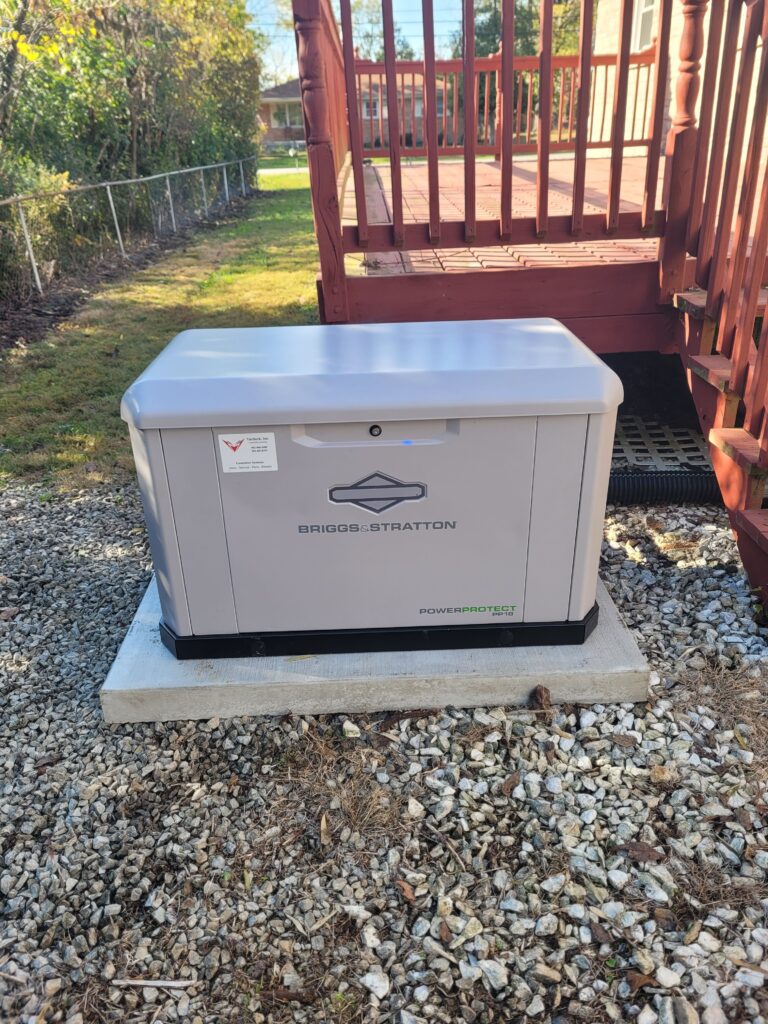
Most residential generators are designed to run continuously for several hours or even days, but there are important limitations. Portable generators, commonly used in Louisville, KY for temporary power during outages, are typically safe to operate for 8 to 24 hours at a time—sometimes slightly longer if the fuel tank is large and the engine is well-maintained. Standby generators, which are wired directly into a home’s electrical panel, can often run longer, but every system has its limits due to maintenance needs, fuel supply, and heat buildup.
Gas-powered portable generators risk overheating or mechanical problems if operated for more than a day or two without a break. Even heavy-duty standby units require periodic cool-downs and oil checks, usually every 24 to 48 hours. Owners’ manuals should always be consulted for manufacturer recommendations on maximum run times.
What Determines How Long a Generator Will Last During Extended Use?
A generator’s true “continuous run time” depends on several variables:
- Fuel type and capacity: Gasoline and propane tanks set hard limits—once they’re empty, the generator must stop. Diesel standby units with large fuel tanks can run longer, sometimes up to 72 hours, but still require monitoring.
- Engine design and maintenance: Air-cooled engines, common in portable units, are not designed for days-long operation without rest. Liquid-cooled engines, found in larger standby generators, can tolerate extended use but require regular maintenance.
- Oil and coolant levels: Most models automatically shut down if oil runs too low, but heat and friction will rise after many hours. Standby systems often need oil top-offs or changes every 100 hours or sooner under heavy use.
- Load demands: Running more appliances or higher wattage equipment will cause the generator to work harder, potentially shortening its safe run time.
In the city, outages due to severe weather or infrastructure challenges may last from a few hours to multiple days. Having extra fuel safely stored and a plan for shutdowns for refueling or maintenance will prevent mechanical failure or unsafe conditions.
Are There Risks With Running a Generator Nonstop in Louisville Homes?
Operating a generator for too long without breaks carries several risks for local residents:
- Engine overheating: In the humid, sometimes hot Louisville summer or during long outage events, portable units can quickly overheat. This can permanently damage the engine and create a fire hazard.
- Oil depletion: Extended use burns through oil, especially if the generator is powering large appliances like air conditioners, refrigerators, or sump pumps during a storm. Low oil shutdown features help, but not all older models include this safeguard.
- Carbon monoxide accumulation: Continuous use increases the risk of carbon monoxide buildup. Generators must always be used outdoors and away from windows, doors, or vents to avoid this invisible hazard.
Local building codes discourage the use of portable generators indoors or in garages. Residents should check local ordinances, especially if planning to use a generator for more than a few hours at a time.
Tips for Maximizing Generator Life and Safety During Local Outages

While generator manuals offer the best guidance, experience in the metro area suggests:
- Allowing the engine to cool and checking oil every 8-12 hours of use
- Refueling only when the generator is fully shut down and cool to prevent fire risk
- Using fresh, stabilizer-treated fuel and monitoring for leaks or worn parts
- Never overloading the generator—estimate wattage needs realistically before plugging in additional appliances
- Keeping extension cords in good condition and rated for outdoor use
During the spring and summer storm season, it's wise for area residents to stock extra oil and fuel responsibly. For prolonged outages, consider rotating use: run the generator for several hours, then shut it down while keeping refrigerators and freezers closed to retain cold.
How Long Should You Plan for in a Typical Louisville Outage?
For most weather-related outages in the city, a well-maintained portable generator can run safely for a full day—up to 12–24 hours—if properly managed. Standby units may handle two to three days with breaks for oil level checks and cooling every 24 hours. Prolonged, nonstop use beyond these limits increases maintenance needs and risk of mechanical failure.
To reduce wear, use the generator strategically: power only mission-critical appliances, run in cycles rather than nonstop, and perform regular checkups. This habit helps extend equipment lifespan and ensures reliable performance in future emergencies.
Advances in modern generator design are making longer run times possible, but household safety and machine longevity both rely on common sense, preparation, and awareness of the system’s natural limitations.