

 See My Latest Article on HelloNation
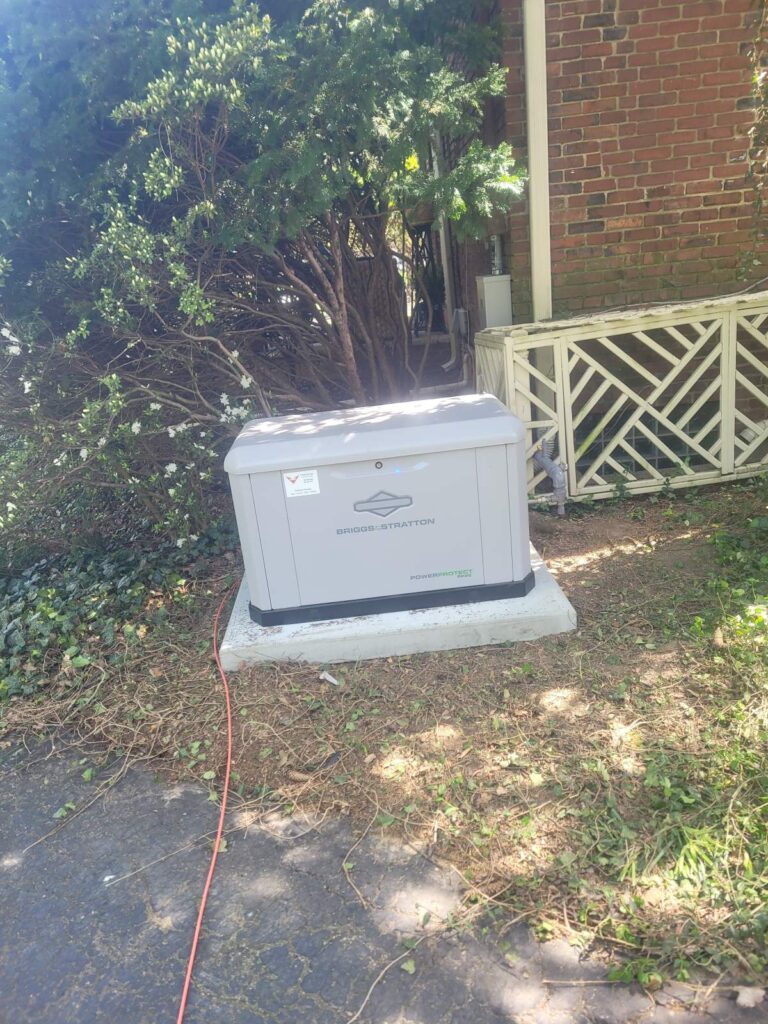
Power generators use the least fuel when they are properly sized, lightly but consistently loaded, well maintained, and operated only when electricity is actually needed. Fuel savings usually come from reducing unnecessary electrical demand rather than trying to alter the engine’s basic operation.
For households in Louisville, KY, this matters during summer thunderstorms, winter ice, and extended outages when gasoline or propane may be difficult to replace. The following practices can help a portable or standby generator run longer on the fuel already available.
How does generator load affect fuel consumption?
Generator fuel use rises as the electrical load increases. A unit powering a refrigerator, a few lights, and a modem generally consumes less fuel than one operating central air conditioning, an electric water heater, a range, a clothes dryer, and power tools at the same time.
A generator does not need to run every household appliance during an outage. Start by identifying essential loads:
- Refrigerator or freezer
- Furnace controls or a heating system
- Sump pump
- Medical equipment
- Limited lighting
- Internet equipment and phone charging
- A well pump, if the property uses one
Avoid running high-demand appliances simultaneously. Electric resistance heaters, clothes dryers, electric ovens, large air conditioners, and water heaters can use substantial power. Operating these loads together may increase fuel consumption sharply and can overload a generator.
A simple outage plan can help. For example, refrigeration may run in one period, while a well pump or water heater runs at another time. Allow appliances with motors to start fully before adding another major load.
Is a smaller generator more fuel efficient?
A properly sized generator is often more economical than an oversized unit, especially when the normal electrical demand is modest. Larger engines may consume more fuel even when they are supplying only a small portion of their rated capacity.
However, the smallest possible generator is not automatically the right choice. Motors in refrigerators, pumps, furnaces, and air-conditioning systems can require extra power during startup. A generator that cannot handle these brief surges may stall, trip its breaker, or operate inefficiently.
Before choosing or operating a unit, make a list of the appliances that must run at the same time. Check both their running wattage and starting wattage. The goal is enough capacity for essential loads without routinely carrying a large amount of unused capacity.
Can turning off unnecessary appliances save fuel?
Yes. Disconnecting unnecessary loads is one of the easiest ways to extend runtime.
Electronics in standby mode use small amounts of electricity, but many devices together can add up during a long outage. Turn off chargers, televisions, gaming systems, printers, decorative lighting, and other equipment that is not needed.
Use the generator in planned intervals when possible. A refrigerator or freezer does not need continuous power once it has reached a safe temperature and remains closed. Avoid opening the doors repeatedly, since warmer air enters and the appliance must work harder after power is restored.
During hot weather, cool the occupied rooms rather than attempting to cool the entire house. During cold weather, concentrate heat in the rooms being used and reduce drafts where practical. Louisville’s humid summers and occasional winter icing can place unusually high demands on cooling and heating equipment, so managing indoor space can reduce generator load.
Does routine maintenance improve fuel efficiency?
A maintained engine generally burns fuel more effectively and is less likely to lose power under load. Follow the owner’s manual for oil changes, air-filter inspection, spark-plug replacement, fuel-system care, and operating intervals.
A dirty air filter can restrict the oxygen needed for combustion. Old engine oil can increase friction and heat. A worn spark plug may cause hard starting, rough operation, or incomplete combustion. Fuel lines, connections, and the tank should also be checked for leaks or damage.
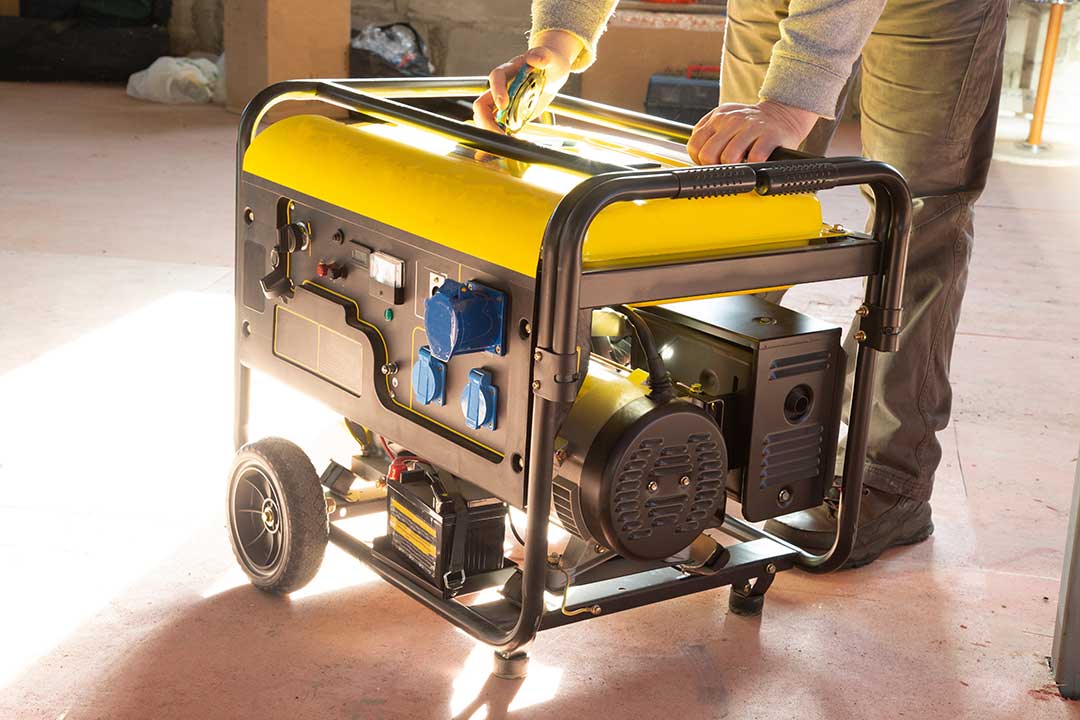
Run the generator periodically according to the manufacturer’s instructions, but do not operate it simply to burn fuel. A short test run can confirm that it starts, produces electricity, and does not show warning lights or unusual noises. Test the unit under an appropriate load so problems are discovered before an outage.
How should gasoline or propane be stored?
Fresh, correctly stored fuel supports reliable operation. Gasoline can degrade during storage, especially when exposed to heat, moisture, or air. Use only the fuel type and octane specified for the generator.
For gasoline-powered units, fuel stabilizer may help during storage when used according to its label and the generator manufacturer’s directions. Stabilizer does not repair old or contaminated gasoline. If the manual recommends draining the tank and carburetor before long-term storage, follow that procedure.
Store fuel only in approved containers, away from ignition sources and living areas. Never keep gasoline inside a home, basement, attached garage, or near a furnace. Propane cylinders should remain upright and outdoors in a location approved for cylinder storage.
Refuel only after the generator has been shut off and allowed to cool. Spilled fuel can ignite on hot engine parts.
Does generator placement affect efficiency?
Placement affects cooling, exhaust, and safe performance. A portable generator should operate outdoors, well away from doors, windows, vents, and enclosed porches. Keep it protected from rain without enclosing it in a shed, garage, basement, or improvised covering that restricts airflow.
Blocked ventilation can cause overheating and unstable operation. Exhaust gases contain carbon monoxide, which can enter a home even through openings that seem distant from the generator. Carbon monoxide alarms should be installed and maintained inside the home, particularly near sleeping areas.
Keep the unit level and away from standing water. After storms, inspect the area for flooding, fallen branches, and damaged extension cords before starting the engine.
Are extension cords affecting fuel use?
Poorly chosen extension cords can create voltage drop, heat, and unnecessary equipment strain. Use outdoor-rated cords with a wire size suitable for the current and length. A cord that is too thin or too long may reduce performance, especially for refrigerators, pumps, and other motor-driven appliances.
Do not connect a portable generator directly to household wiring through a wall outlet. Backfeeding can energize utility lines and seriously injure workers or neighbors. A properly installed transfer switch or approved interlock system is required for connecting a generator to a home electrical system. This work involves electrical hazards and should be handled by a qualified electrician.
Should a generator run continuously during an outage?
Not necessarily. Continuous operation may waste fuel when essential appliances are not actively running. Many households can reduce consumption by using a schedule: power refrigeration at intervals, charge devices together, operate pumps when needed, and shut down nonessential loads.
Before shutting down, turn off or disconnect appliances that may create a heavy startup surge. Let the generator cool as directed, and follow the manual for shutdown procedures. Never leave a portable generator unattended for long periods, particularly during changing weather or when children and pets are nearby.
Fuel efficiency should never come at the expense of safe operation. Carbon monoxide protection, proper ventilation, safe refueling, correct electrical connections, and routine maintenance are the foundation for using less fuel without creating additional hazards.