

 See My Latest Article on HelloNation
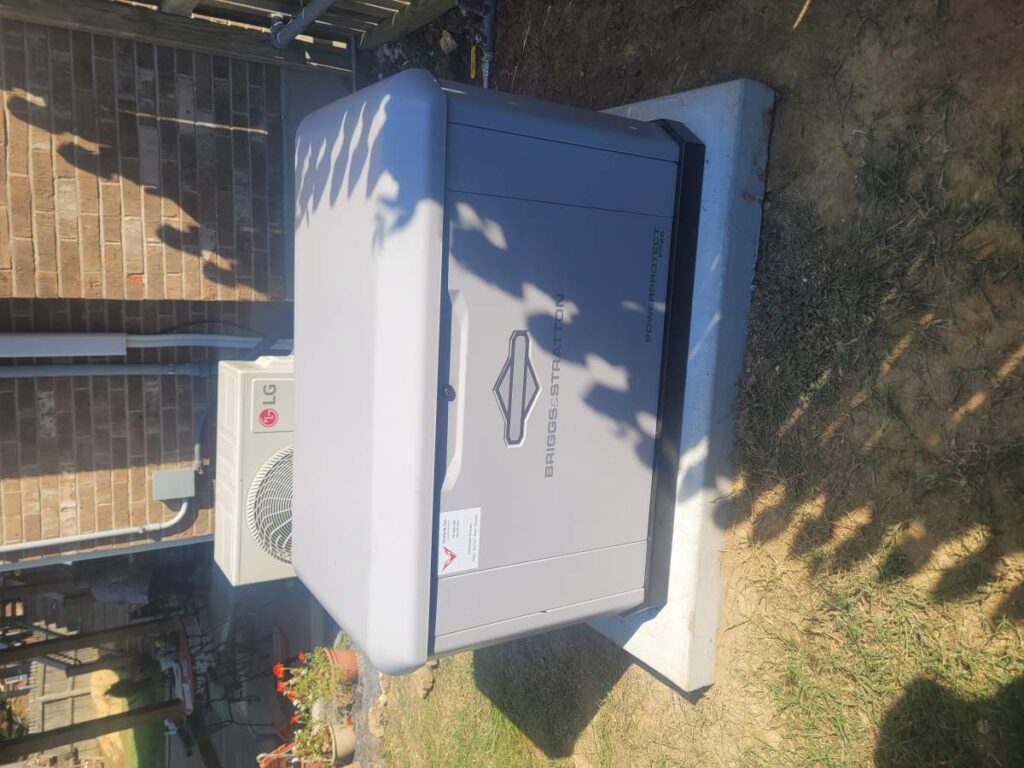
Where should a portable generator be placed?
For homes in Louisville, KY, a portable generator should be operated outdoors, at least 20 feet from the house, with the exhaust directed away from windows, doors, and vents. It should sit in an open area where carbon monoxide can disperse freely—not in a garage, basement, shed, crawlspace, porch, or carport. ([cpsc.gov](https://www.cpsc.gov/Safety-Education/Safety-Education-Centers/Carbon-Monoxide-Information-Center?utm_source=openai))
The 20-foot distance is a minimum safety guideline, not a suggestion to place the unit as close as possible. If the generator is near a corner of the house, under an overhang, or beside a wall that can redirect exhaust, move it farther away. The goal is to keep engine fumes from entering the home through an opening or being trapped near the structure.
A suitable location is typically:
- On stable, level ground
- At least 20 feet from the home and other occupied buildings
- Away from windows, doors, exterior vents, and air intakes
- Clear of leaves, wood piles, dry grass, and other combustible materials
- Positioned so exhaust blows into open air rather than toward the building
Can a generator run in a garage with the door open?
No. An open garage door does not make generator operation safe. Carbon monoxide can accumulate inside the garage and move into the home through connecting doors, cracks, ductwork, or other openings. The same warning applies to sheds, basements, crawlspaces, enclosed porches, and partially enclosed patios. ([cpsc.gov](https://www.cpsc.gov/Safety-Education/Safety-Guides/Carbon-Monoxide-Home/Generators-and-Engine-Driven-Tools?utm_source=openai))
Carbon monoxide is colorless and odorless. People may not recognize exposure until symptoms such as headache, dizziness, nausea, weakness, confusion, or unusual tiredness begin. If a carbon monoxide alarm sounds or anyone develops these symptoms, leave the building immediately, get into fresh air, and call 911.
During cold-weather outages, moving a generator indoors can seem practical, especially when rain, ice, or snow is present. It is still unsafe. A generator must remain outside, and weather protection should never create an enclosed space around the engine.
How should a generator be protected from Louisville weather?
The unit needs protection from direct rain and standing water, but it must remain fully open to the outdoors. Use only a generator cover or shelter designed to allow adequate airflow and prevent exhaust from being trapped.
Never place a running generator beneath:
- A closed or low roof
- A porch or deck with limited ventilation
- A tarp draped directly over the engine
- A carport with walls or other obstructions
- An attached structure or enclosure
Wet conditions create additional electrical hazards. Keep the generator off wet ground and away from puddles, downspouts, flooding, and areas where stormwater collects. After heavy rain, check for standing water before starting the unit. Do not operate or handle electrical equipment while standing in water.
Louisville’s humid summers, severe thunderstorms, freezing rain, and occasional winter outages make drainage and overhead protection worth considering before an emergency occurs. A location that appears dry during normal weather may become unsafe after several hours of rain.
What ground surface is best?
A firm, level, noncombustible surface is preferable. A properly prepared pad can help prevent the generator from shifting, sinking, or tipping while it operates. Avoid placing it directly on mulch, dry leaves, loose soil, tall grass, or combustible decking.
The surface should also reduce the chance of vibration transferring into the house or disturbing nearby occupants. Do not block the generator’s air intake or exhaust path with landscaping, fencing, stored materials, or temporary barriers.
A generator should remain accessible for inspection, refueling, shutdown, and emergency movement. However, accessibility does not mean placing it directly beside a back door or beneath a window. The safest position balances clear access with maximum separation from the home.
Where should a standby generator be installed?
A permanently installed standby generator requires more planning than a portable unit. It is normally placed outdoors on a suitable base, with required clearances from walls, openings, property features, fuel equipment, and combustible materials determined by the equipment instructions and applicable codes.
The exact placement depends on the model, fuel type, exhaust design, lot layout, and location of windows and vents. A standby unit should not be positioned where exhaust can enter the home, accumulate beneath an overhang, interfere with walkways, or discharge toward a neighboring structure.
Electrical connections, transfer equipment, fuel piping, and the supporting base may also require permits and inspections. Louisville Metro adopts the Kentucky Building Code and Kentucky Residential Code for construction review, while current electrical requirements include the 2023 National Electrical Code as listed by the local construction review department. ([louisvilleky.gov](https://louisvilleky.gov/government/construction-review/building-permit?utm_source=openai))
That means a proposed location should be checked before installation rather than adjusted after the equipment is in place. Safety clearances in an owner’s manual are not automatically the only requirements that apply.
How far should a generator be from windows and vents?
For a portable generator, maintain at least 20 feet from windows, doors, and vents, and point the exhaust away from those openings. Pay attention to less obvious openings, including:
- Furnace and water-heater vents
- Bathroom and kitchen exhaust fans
- Attic or crawlspace vents
- Fresh-air intakes for heating and cooling systems
- Basement windows and window wells
- Garage doors and connecting doors
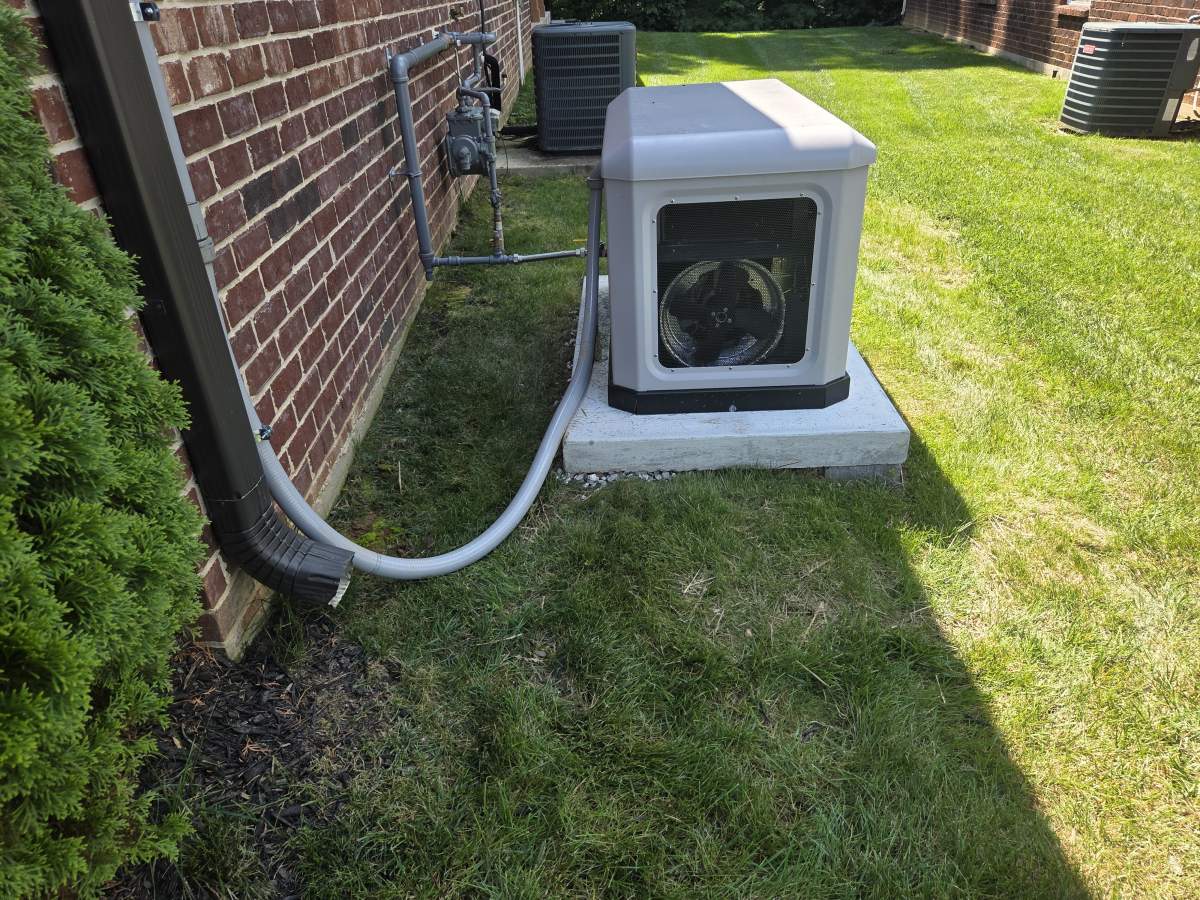
A window that is closed today may be opened during an outage. A nearby vent may draw air into the home even when no one is using it. Positioning the generator farther away can provide an added safety margin when the property layout is tight.
How should extension cords affect placement?
The generator should be close enough to use properly rated outdoor extension cords, but not so close that safety clearances are compromised. Cords should be designed for outdoor use, sized for the electrical load, and kept away from standing water, driveways, sharp edges, and areas where they can be damaged.
Do not run cords through partially open windows or doors in a way that prevents the opening from closing securely. Never connect a generator to a household wall outlet to energize the home. This practice, known as backfeeding, can send electricity into utility lines and create a serious hazard for utility workers and others. ([cpsc.gov](https://www.cpsc.gov/s3fs-public/Portable-Generator-Safety-Alert-2017_5123.pdf?utm_source=openai))
For a home-wide standby system, a properly installed transfer switch separates the home from the utility supply when the generator operates. That connection is different from plugging a portable generator into a wall receptacle.
What should residents check before starting the unit?
Before operating a generator, inspect the planned location and confirm:
- The unit is outdoors and at least 20 feet from the home
- Exhaust is directed away from all openings
- The ground is level, dry, and stable
- Nearby vegetation and combustible materials have been cleared
- Outdoor-rated cords are in good condition
- Carbon monoxide alarms are working inside the home
- Fuel is stored away from living areas and ignition sources
- The generator is cool and turned off before refueling
Place carbon monoxide alarms on each level of the home and outside sleeping areas. A working alarm does not make an improperly placed generator safe; it provides an additional warning if exhaust enters the building. ([cpsc.gov](https://www.cpsc.gov/About-CPSC/Commissioner/Marietta-S-Robinson/Blog/THE-ROBINSON-REPORT-10-Keep-the-Warmth-in-and-Carbon-Monoxide-out?utm_source=openai))
The safest generator location is one selected before the power fails—far enough from the house to control exhaust, open enough for ventilation, dry enough to prevent electrical hazards, and accessible enough for safe operation.