

 See My Latest Article on HelloNation
Power outages can happen after severe thunderstorms, high winds, ice, heavy rain, or equipment problems. For households in Louisville, KY, the choice between a solar backup system and a traditional fuel-powered generator usually comes down to outage length, electrical needs, available space, noise tolerance, and whether fuel storage is practical.
Neither option is universally better. Solar backup systems are quieter and do not burn fuel, while traditional generators can provide sustained power as long as fuel remains available.
What is a solar backup generator?
A solar backup generator is usually a battery energy storage system paired with an inverter. Solar panels may recharge the battery, but the battery is the component that supplies electricity when the utility power fails.
Some systems are portable and can power selected appliances through extension cords. Larger systems may connect to a home’s electrical panel and automatically supply designated circuits, such as:
- Refrigerators and freezers
- Internet equipment and phone chargers
- Medical equipment
- Sump pumps
- Lighting
- Heating or cooling equipment, depending on system size
A solar panel by itself generally does not keep a home powered during a grid outage. Most grid-connected solar systems shut down when utility power is lost unless they include approved battery storage and equipment that can safely isolate the home from the grid.
How does a traditional generator work?
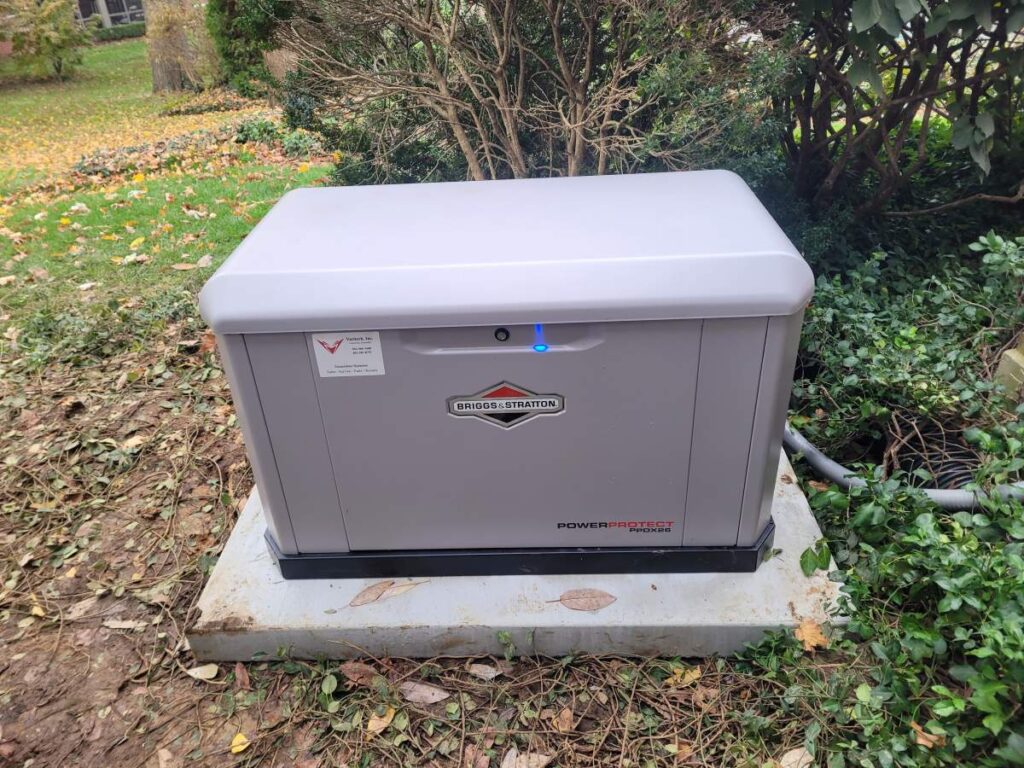
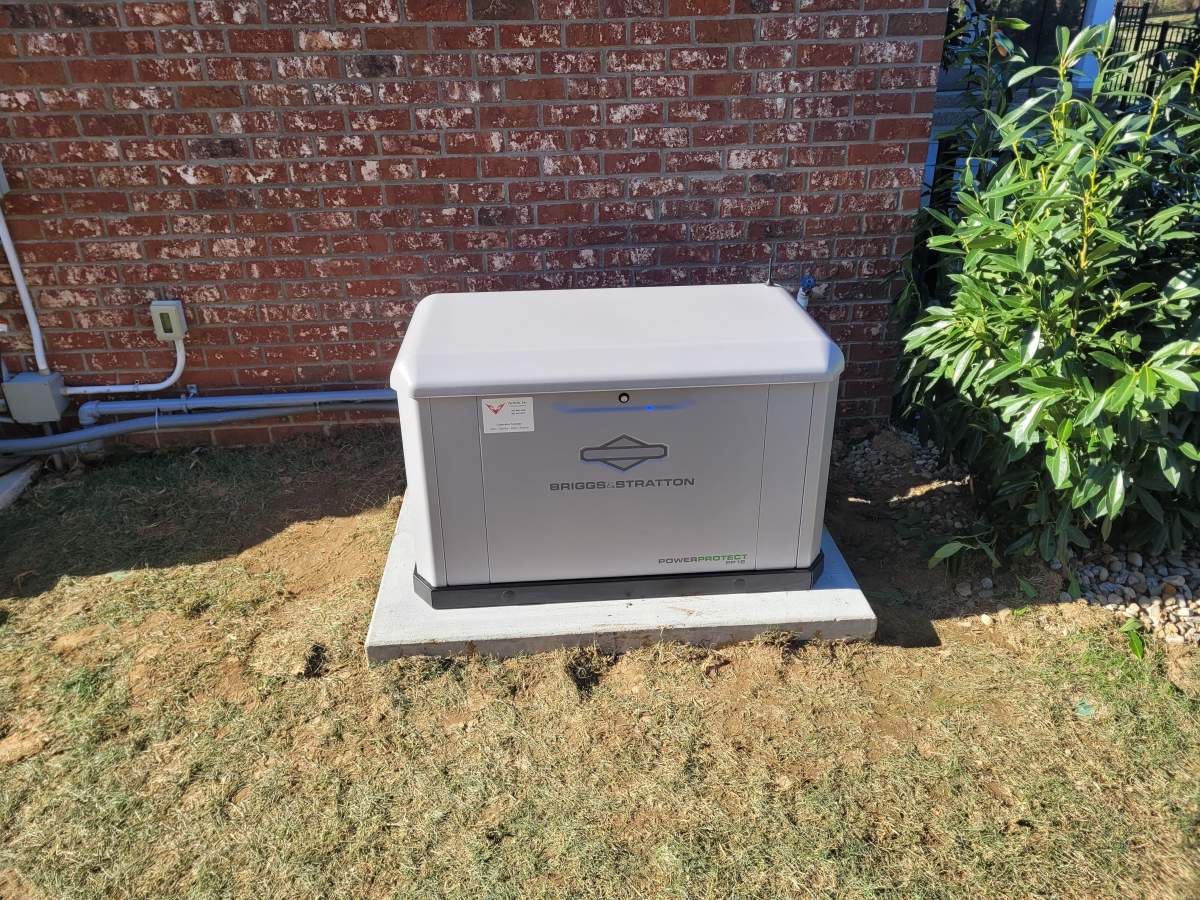
A traditional generator uses an engine to convert fuel into electricity. Residential models commonly operate on gasoline, propane, or natural gas. Portable units are usually connected directly to selected appliances, while permanently installed systems can be connected to a transfer switch and serve designated household circuits or, if properly sized, much of the home.
Traditional generators are not dependent on sunlight. That makes them useful during nighttime outages, extended cloudy weather, and winter storms. Their main limitation is that they require a continuing fuel supply, regular maintenance, and safe outdoor placement.
Which option runs longer during an outage?
The answer depends on the system and how much electricity the household uses.
A solar battery has a fixed amount of stored energy, measured in kilowatt-hours. Once that energy is used, the battery must be recharged. Solar panels can help recharge it during daylight, but cloud cover, rain, shade, panel orientation, and household demand affect the charging rate.
A fuel generator can continue operating for many hours or days if fuel is available. However, its runtime depends on fuel tank size, generator load, engine efficiency, and whether fuel deliveries or refueling are possible.
For a short outage, a properly sized battery may provide convenient, nearly silent power. For a prolonged outage with high electricity demands, a traditional generator may offer more consistent output, especially for large heating or cooling equipment.
Which system is quieter and cleaner?
Solar battery systems are typically much quieter because they do not use an internal combustion engine. They also produce no exhaust at the point of use. This can matter in closely spaced neighborhoods, during nighttime outages, or for households with sleeping children, older adults, or noise-sensitive residents.
Traditional generators produce engine noise, heat, and exhaust. Carbon monoxide is especially dangerous because it cannot be seen or smelled. Fuel generators must operate outdoors, well away from doors, windows, vents, and garages. They should never be used inside a home, basement, attached garage, shed, or enclosed porch.
Solar systems are not completely impact-free. Batteries, inverters, and electronic controls still require manufacturing, installation, and eventual replacement. They also need protection from excessive heat, water intrusion, and physical damage.
Which option is easier to maintain?
Solar backup systems generally require less routine maintenance than engine-based generators. There is no oil to change, spark plug to replace, or carburetor to keep clean. The battery, inverter, wiring, and monitoring equipment still need periodic inspection, and battery capacity can decline with age and use.
Traditional generators require more hands-on maintenance. Common tasks include checking oil, exercising the engine, inspecting fuel lines, maintaining the starting battery, and keeping fuel fresh when applicable. A generator that sits unused for months may fail when an outage occurs if it has not been tested.
For either system, the household should know which circuits are being backed up, how the equipment starts, and how to shut it down safely.
Can either option power the whole house?
Sometimes, but not automatically. The deciding factors are power capacity, energy capacity, and the home’s electrical load.
Power capacity, measured in watts or kilowatts, determines which appliances can operate at the same time. Energy capacity, measured in kilowatt-hours, determines how long the system can run them.
Large appliances often create a brief startup surge. Refrigerators, pumps, furnaces, and air-conditioning compressors may require more power when their motors begin running than they use afterward. A system that appears large enough based only on normal running wattage may still struggle with startup demand.
Many households use a backup plan that prioritizes essential circuits instead of attempting to operate every appliance. During an outage, reducing electric cooking, clothes drying, water heating, and air-conditioning use can substantially extend battery or fuel runtime.
What about winter and summer conditions?
Louisville experiences hot, humid summers and periods of cold weather, with thunderstorms and heavy rain possible during warmer months. Those conditions can create different backup-power priorities throughout the year.
In summer, air-conditioning can consume more electricity than a battery system can provide for long. A traditional generator may run cooling equipment more easily if it has enough capacity, but fuel use can rise quickly.
In winter, a solar battery may support lighting, communications, refrigeration, and selected heating controls, but electric resistance heat can drain stored energy rapidly. A fuel generator may be more practical for longer outages if heating equipment depends on electricity and fuel is safely available.
Solar production also falls during dark, rainy, or heavily overcast periods. A battery system should therefore be sized around realistic weather conditions rather than assuming clear skies every day.
Which option is safer?
Both can be safe when correctly installed and operated, but they have different hazards.
Fuel generators present risks from carbon monoxide, fire, hot surfaces, fuel spills, electrical shock, and backfeeding. A portable generator must never be connected to a wall outlet. Connecting it to a home’s wiring requires properly installed transfer equipment that prevents electricity from flowing backward onto utility lines.
Solar systems avoid engine exhaust and fuel handling, but their batteries and electrical equipment still contain substantial energy. Damaged, flooded, improperly installed, or overheated battery equipment can create fire and shock hazards. Water-damaged electrical equipment should not be used until it has been evaluated for safety.
Any system connected to the home’s wiring should follow applicable electrical, building, and fire-safety requirements.
Which backup system makes more sense?
A solar battery may fit a household that values quiet operation, low routine maintenance, no fuel storage, and automatic short-term backup for essential circuits. It is especially useful when the goal is to keep refrigerators, communications, lights, and selected equipment operating without engine noise.
A traditional generator may be more suitable when outages can last for extended periods, the home requires substantial heating or cooling power, or sunlight is unreliable during the expected outage season.
Some households use a combined approach: battery storage for immediate, quiet backup and a fuel generator for unusually long outages. The practical choice depends less on the label “solar” or “traditional” than on the home’s actual electrical loads, outage expectations, fuel access, installation conditions, and safety plan.