

 See My Latest Article on HelloNation
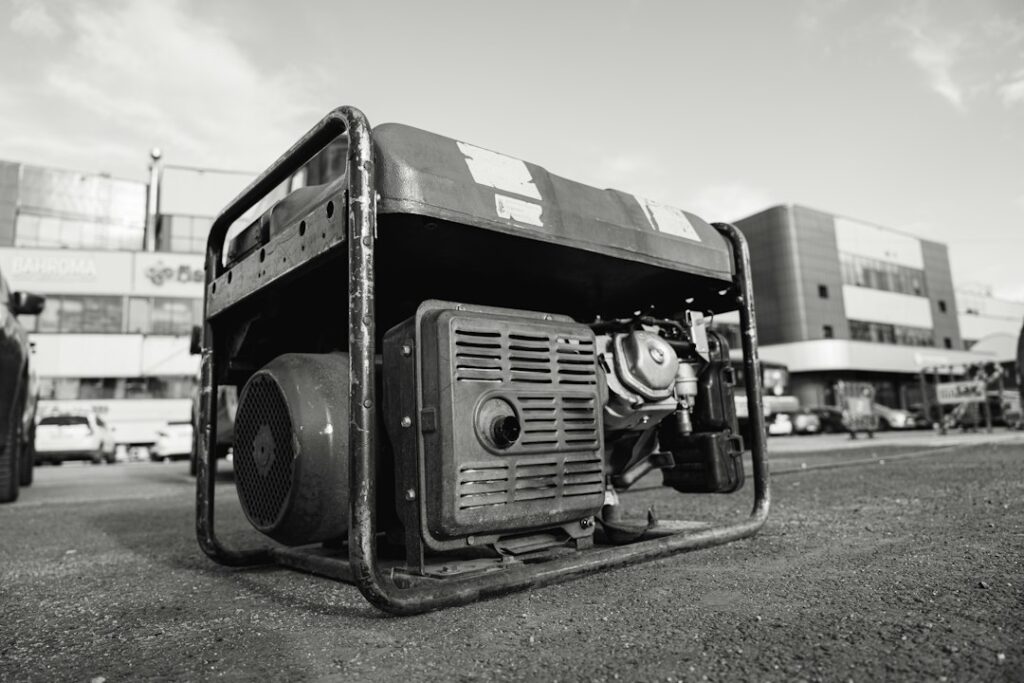
Choosing a generator starts with one basic question: how much electrical power will the household need at the same time? The answer depends on the running wattage of each appliance, the extra starting wattage required by motor-driven equipment, and whether the goal is to power only essential circuits or nearly the entire home.
For residents in Louisville, KY, generator planning can be especially useful before severe thunderstorms, ice events, heat waves, or winter cold snaps. A careful wattage calculation helps prevent overloads, wasted fuel, and unsafe expectations about what a portable or standby generator can operate.
What does generator wattage mean?
A generator’s wattage describes the amount of electrical power it can supply. Two figures matter:
- Running watts: The electricity an appliance uses while operating normally.
- Starting watts: The temporary surge needed to start equipment with a motor or compressor.
Refrigerators, sump pumps, furnaces, well pumps, air-conditioning equipment, freezers, and some power tools may require significantly more electricity during startup than during regular operation.
For example, a refrigerator might run on approximately 700 watts but need 2,000 watts briefly when its compressor starts. A generator must have enough capacity for both the refrigerator’s running demand and its starting surge, along with the other appliances operating at that moment.
The exact wattage varies by model, age, efficiency, and condition. Appliance labels, owner’s manuals, and manufacturer specifications are more reliable than general estimates.
How do you calculate the total wattage needed?
Make a list of the appliances and systems that may operate at the same time. Add their running watts, then identify the largest starting-watt requirement among equipment that may start simultaneously.
A simple planning formula is:
Required generator capacity = total running watts + the largest additional starting-watt surge
This approach works because not every motor starts at precisely the same moment. However, a larger margin may be appropriate if several compressors, pumps, or motors could start together.
For appliances rated in volts and amps, wattage can be estimated with:
Watts = volts × amps
For example, a 120-volt appliance drawing 10 amps uses approximately 1,200 watts while running. Some equipment lists watts directly, while others list amperage.
A basic worksheet might look like this:
| Appliance or system | Estimated running watts | Estimated starting watts |
|—|—:|—:|
| Refrigerator | 700 | 2,000 |
| Freezer | 500 | 1,500 |
| Gas furnace blower | 600 | 1,200 |
| Sump pump | 1,000 | 2,200 |
| Lighting and small electronics | 500 | Minimal surge |
| Microwave | 1,200 | Minimal surge |
If the refrigerator, freezer, furnace blower, sump pump, and lights operate together, the running total is approximately 3,300 watts. The largest additional startup surge in this example is about 1,200 watts for the sump pump, producing a planning figure near 4,500 watts.
That does not mean every household needs a 4,500-watt generator. It means the listed combination should not exceed the generator’s available continuous output, with enough surge capacity for startup.
Which appliances should be included first?
Start with equipment that protects health, safety, plumbing, food, or indoor comfort. Essential loads often include:
- Refrigerator and freezer
- Furnace blower or heating controls
- Sump pump or drainage pump
- Medical equipment that requires electricity
- A few lights
- Internet equipment and phone charging
- Smoke alarms and security systems
- Garage door opener
- Selected outlets for basic kitchen use
In colder weather, a furnace may use less electricity than electric resistance heating because the home’s fuel-burning furnace primarily needs power for controls and a blower motor. Electric space heaters, electric furnaces, and electric water heaters can consume far more wattage.
During hot, humid conditions, central air conditioning is often the largest electrical load in the home. A portable generator that can run a refrigerator and sump pump may not be large enough to start and operate a central air-conditioning compressor.
Why starting watts cause problems
A generator can appear large enough based on the total running wattage but still shut down when a motor starts. The problem is usually insufficient surge capacity.
Common high-startup appliances include:
- Central air-conditioning compressors
- Window air conditioners
- Sump pumps
- Well pumps
- Refrigerators and freezers
- Furnaces
- Blowers and fans
- Compressors and some power tools
If an appliance lists only running watts, a general estimate may be used temporarily, but the owner’s manual is preferable. Motor startup requirements can vary widely. Older equipment may also draw more power than newer, well-maintained equipment.
What generator size is typical for essential household loads?
There is no single correct size for every home, but broad planning ranges can be useful:
- Around 2,000 to 3,000 watts: Basic lighting, charging, a refrigerator, and a few small appliances, with careful load management.
- Around 4,000 to 6,000 watts: Several essential circuits, such as refrigeration, lighting, a furnace blower, a sump pump, and limited kitchen use.
- Around 7,000 to 10,000 watts: More simultaneous essential loads and some larger equipment, depending on startup demands.
- Above 10,000 watts: Greater whole-home coverage, but central air conditioning, electric heating, electric water heating, and other large loads still require detailed calculation.
These ranges are not substitutes for checking appliance specifications. A 5,000-watt generator may comfortably support a gas furnace and refrigerator but be unable to start a central air conditioner or electric dryer.
How can you calculate the needs of a whole house?
Whole-home sizing requires listing nearly every significant electrical load, including equipment that may not be used during an outage. Include:
- Heating and cooling systems
- Electric water heater
- Electric range or oven
- Clothes dryer
- Refrigerator and freezer
- Sump or sewage pump
- Well pump, where applicable
- Lighting
- Garage equipment
- Electronics and networking equipment
- Workshop tools
- Electric vehicle charging equipment
The calculation should account for both continuous loads and the largest likely starting surge. A qualified electrical assessment may be necessary when the generator will connect to a home’s electrical panel, especially if the property has electric heating, multiple pumps, or a central air-conditioning system.
Should every appliance run at the same time?
No. Load management can reduce the generator size needed for essential use. For example, avoid running a microwave, coffee maker, toaster, clothes dryer, and portable heater together. Wait until a high-wattage appliance finishes before starting another.
A written priority list can help:
1. Keep medical equipment and safety systems operating.
2. Maintain refrigeration.
3. Protect against water intrusion with pumps.
4. Support heating or cooling controls.
5. Add lighting, communications, and selected outlets.
6. Use cooking appliances only when other major loads are off.
This approach is particularly useful in area homes with older electrical systems, finished basements, sump pumps, or a mix of gas and electric appliances.
What safety issues affect generator sizing?
A generator must be connected and operated safely, regardless of its wattage. Portable generators should remain outdoors in a well-ventilated location, away from doors, windows, and other openings. Carbon monoxide can accumulate indoors or in partially enclosed areas, including garages and porches.
Never connect a portable generator directly to a household outlet or “backfeed” the electrical system. A properly installed transfer switch or approved interlock arrangement is needed to prevent dangerous power from flowing into utility lines. Fuel should be stored and handled according to the generator manufacturer’s instructions and applicable safety requirements.
Before an outage, test the generator with the intended loads. Confirm that extension cords are correctly rated, outdoor-rated, undamaged, and large enough for the current they will carry. During an outage, allow the generator to stabilize before adding large loads, and turn appliances off before refueling.
The most reliable wattage plan is specific to the home: identify the appliances that truly matter, verify their running and starting requirements, add the likely simultaneous loads, and leave a reasonable capacity margin. That calculation provides a clearer answer than choosing a generator based only on square footage or the number of rooms.