

 See My Latest Article on HelloNation
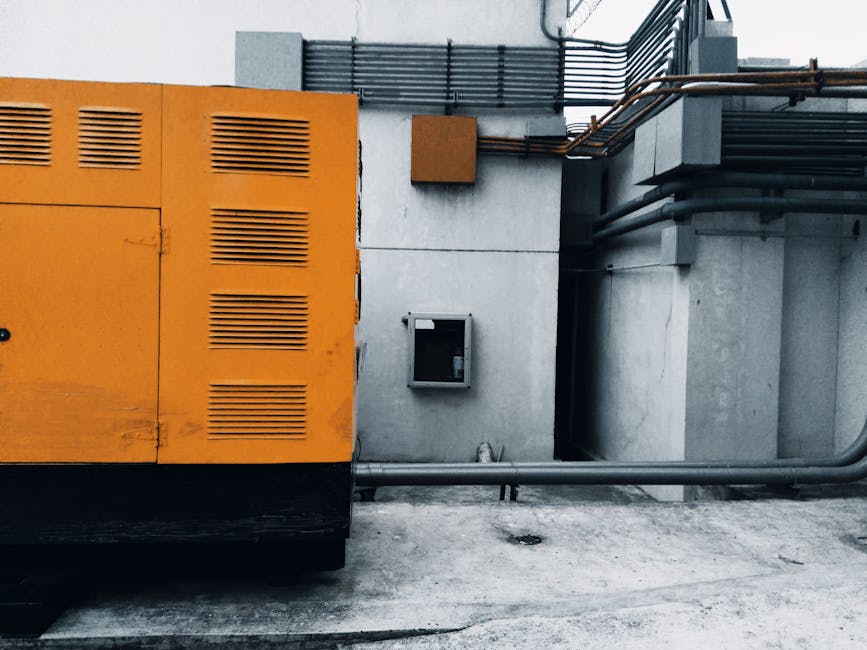
When the winds howl along the Ohio River and thunderstorms roll into Louisville, Kentuckiana households know that power outages can happen without warning. Whether it’s a summer heatwave straining the grid, an ice storm in winter, or just a blip on a busy Derby Day, having a reliable home generator gives you peace of mind. But one of the biggest questions Louisville residents have is: “What size generator do I need for my home?”
Choosing the right generator size isn’t just about keeping the lights on; it’s about protecting what matters and maintaining the comfort your family deserves. In this guide, we’ll walk you through the essential steps to ensure your generator choice fits your Louisville lifestyle.
Why Generator Size Matters
Selecting the wrong size generator can lead to a host of problems:
- Too Small: It won’t provide enough power, causing appliances to underperform or shutdown mid-use.
- Too Large: You’ll spend more upfront and waste fuel, leading to higher running costs and unnecessary noise.
Properly sizing your generator protects your appliances, optimizes your investment, and ensures your home runs smoothly during outages common to Louisville’s four-season climate.
Step 1: Assess Your Power Needs
First, list the essentials you want to keep running during an outage. Typical options for Louisville homes include:
- Refrigerator and Freezer: Keeps food fresh, which is crucial during Kentucky’s hot summer days.
- HVAC System or Space Heaters: Winters in Louisville can be brisk and summers humid, so climate control is key.
- Sump Pump: With rain-heavy springs and occasional flooding, a working sump pump protects basements and valuable Derby memorabilia.
- Lights and Outlets: Keeping main rooms and charging devices operational is important for safety and peace of mind.
- Medical Equipment: If someone in your home depends on medical devices, backup power is non-negotiable.
Step 2: Calculate Total Wattage
Generators are rated by wattage – how much power they can deliver. Start by creating a list of appliances you want to power and check their running and starting wattages (found on manufacturer labels or manuals). Add up the total running watts and account for the startup “surge” wattage of appliances like refrigerators or air conditioners, which may momentarily require extra power when turning on.
Example (approximate values):
- Refrigerator: 600-800 running watts (2200 surge watts)
- Sump Pump: 800 running watts (1300 surge watts)
- Central AC: 2000 running watts (4000 surge watts)
- Lights: 500 running watts total
- TV/Devices: 300 running watts
Add your selected devices for an initial estimate. Louisville homes often need more power for climate control than in milder regions, so don’t underestimate your HVAC needs.
Step 3: Choose a Generator Type
There are two main types for residential backup:
- Portable Generators: Affordable and flexible; suitable for running select circuits.
- Standby Generators: Permanently installed, automatic, and can power the whole home. Ideal for unpredictable Louisville weather and longer outages.
Portable units might deliver 3,000–8,000 watts, great for essentials. Standby models start at 8,000 watts and can exceed 20,000 watts, providing whole-home protection.
Step 4: Consider Your Home’s Unique Needs
Louisville’s charming mix of historic homes in Old Louisville and modern developments in the East End means generator needs can vary dramatically. Factors to account for include:
- Home Size and Age: Bigger or older homes with aging wiring may require more capacity or adjustments.
- All-Electric vs. Gas Appliances: All-electric homes have higher power needs.
- Outdoor Entertaining: If you want your backyard or garage to stay lit for a summer barbecue, include those circuits.
Step 5: Factor in Louisville Lifestyle
Think about the Louisville events and seasons that might impact your generator needs:
- Derby Day Entertaining: Hosting out-of-town guests for the Kentucky Derby? Ensure enough power to avoid disruptions if the weather acts up.
- Thunder Over Louisville: Spring storms coincide with fireworks season — uninterrupted power keeps parties going.
- Winter Ice Storms: The occasional ice storm can bring down power lines; reliable backup heat and lights keep your home safe.
Step 6: Consult a Local Generator Expert
Every house in Louisville has a different setup and unique needs. A local professional can:
- Help with wattage calculations
- Recommend trusted generator brands
- Explain Louisville-specific permits and regulations
- Ensure safe installation that complies with local codes
Louisville’s weather and grid can be unpredictable — don’t leave your backup plan to chance.
Frequently Asked Questions
- How do I know I picked the right generator size?
Calculate your wattage needs, add a buffer (10-20% over your usage), and choose a generator that can handle that load.
- Is it better to get a bigger generator just in case?
Oversizing wastes money and burns extra fuel. Balance your needs while leaving room for future upgrades.
- Can I install a generator myself?
For standby generators, professional installation is essential — especially in historic neighborhoods with strict permitting. Portable models are DIY-friendly with proper transfer switches.
- How often should I run my generator?
Monthly maintenance runs are recommended, especially before Louisville’s storm or winter season starts.
Summary
Choosing the right size generator ensures your Louisville, KY, home stays safe and comfortable no matter what Mother Nature has in store. By calculating your home’s needs, considering your lifestyle, and working with local experts, you’ll be ready for any emergency — from a flash flood to an unexpected blackout on Derby weekend.
Investing in the correct size generator isn’t just smart — it's peace of mind for every season the Bluegrass State brings.