

 See My Latest Article on HelloNation
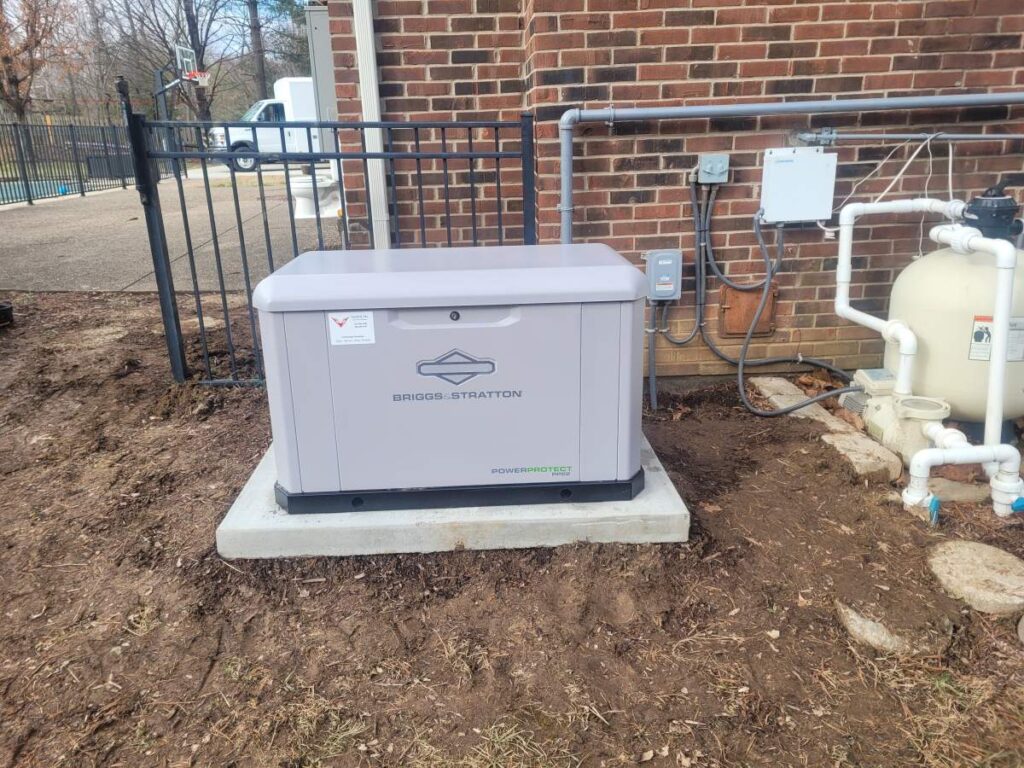
Camping with a portable generator can provide useful electricity for medical equipment, lighting, refrigeration, communication devices, and some comfort items. It also creates risks that are easy to underestimate, especially carbon monoxide poisoning, electrical shock, burns, fuel fires, and disturbance to nearby campers.
For residents of Louisville, KY, planning matters because camping conditions can change quickly with summer heat, thunderstorms, high humidity, and wet ground. A generator should be treated as outdoor engine equipment, not as an extension of household electricity.
Is it safe to use a generator at a campground?
Yes, but only when the campground permits generator use and the equipment is operated outdoors in a properly ventilated location. Many campgrounds restrict generator hours, limit them to certain loops, or prohibit them entirely in quiet areas.
Before leaving, check the specific campground rules. Quiet hours commonly include nighttime periods, but the exact schedule varies. Some locations also require generators to be placed a certain distance from tents, campsites, roads, or vegetation.
A generator should never be used:
- Inside a tent, camper, vehicle, cabin, garage, shed, or screened enclosure
- Under an awning or canopy if exhaust can collect around the shelter
- Near an open door, window, roof vent, or other opening
- In a low area where exhaust may settle or airflow may be limited
- On a porch, deck, or other partially enclosed structure
Carbon monoxide is colorless and odorless. People may not notice exposure until symptoms such as headache, dizziness, weakness, nausea, confusion, or unusual sleepiness appear. Anyone experiencing these symptoms should move into fresh air immediately and seek emergency medical help.
Where should a camping generator be placed?
Place the generator outside on a firm, level, dry surface, well away from tents, vehicles, and occupied areas. The exhaust outlet should point away from people and toward an open area where air can carry fumes away.
Do not assume that a light breeze makes a poor location safe. Wind can shift direction, and exhaust can drift toward another campsite or a tent opening. Avoid placing the unit beside a vehicle, beneath a picnic table, against a camper, or between dense trees or surrounding equipment.
A stable surface also helps prevent tipping, vibration, and fuel spills. If rain is possible, use only a manufacturer-approved weather cover designed for that generator. Do not improvise with tarps, plastic bins, or other coverings that could block ventilation or touch hot components.
How can carbon monoxide exposure be prevented?
The most effective protection is correct generator placement and operation. A battery-powered carbon monoxide alarm can provide an additional warning inside a camper or other sleeping area, but it does not make indoor generator use safe.
Keep doors, windows, and vents closed on nearby campers when the generator is operating. This is not a substitute for distance and airflow, but it reduces the chance that exhaust will enter through an opening.
Never use a generator inside a tent, even if the tent door is open. A tent does not provide reliable ventilation, and exhaust can accumulate quickly. Fuel-burning stoves, lanterns, heaters, and grills create similar carbon monoxide dangers and should not be used inside sleeping shelters unless specifically designed and approved for that enclosed application.
What should be checked before leaving Louisville?
A short inspection at home can prevent problems at the campsite. Read the owner’s manual and confirm that the generator is rated for the equipment intended to be used.
Check:
- Engine oil level and recommended oil type
- Fuel lines, caps, seals, and signs of leakage
- Extension cords for cuts, exposed wires, bent prongs, or damaged insulation
- Ground-fault protection and built-in safety features
- Wheels, handles, stands, and mounting points
- Air filters and spark plugs according to the maintenance schedule
- Fuel containers approved for gasoline or other specified fuels
Test-start the unit outdoors before the trip. Do not wait until nighttime, rain, or an emergency to discover that the battery is weak or the engine will not start.
Use only the fuel specified by the manufacturer. Store fuel in approved containers, keep it away from flames and hot surfaces, and transport it in a secure, upright position. Never refuel a hot or running generator. Turn it off, allow it to cool, and wipe up any spills before restarting.
How much power is needed for camping?
The generator should be sized according to the equipment being used, not simply according to the number of outlets. Add the running wattage of the devices, then account for the higher starting wattage required by equipment with motors or compressors.
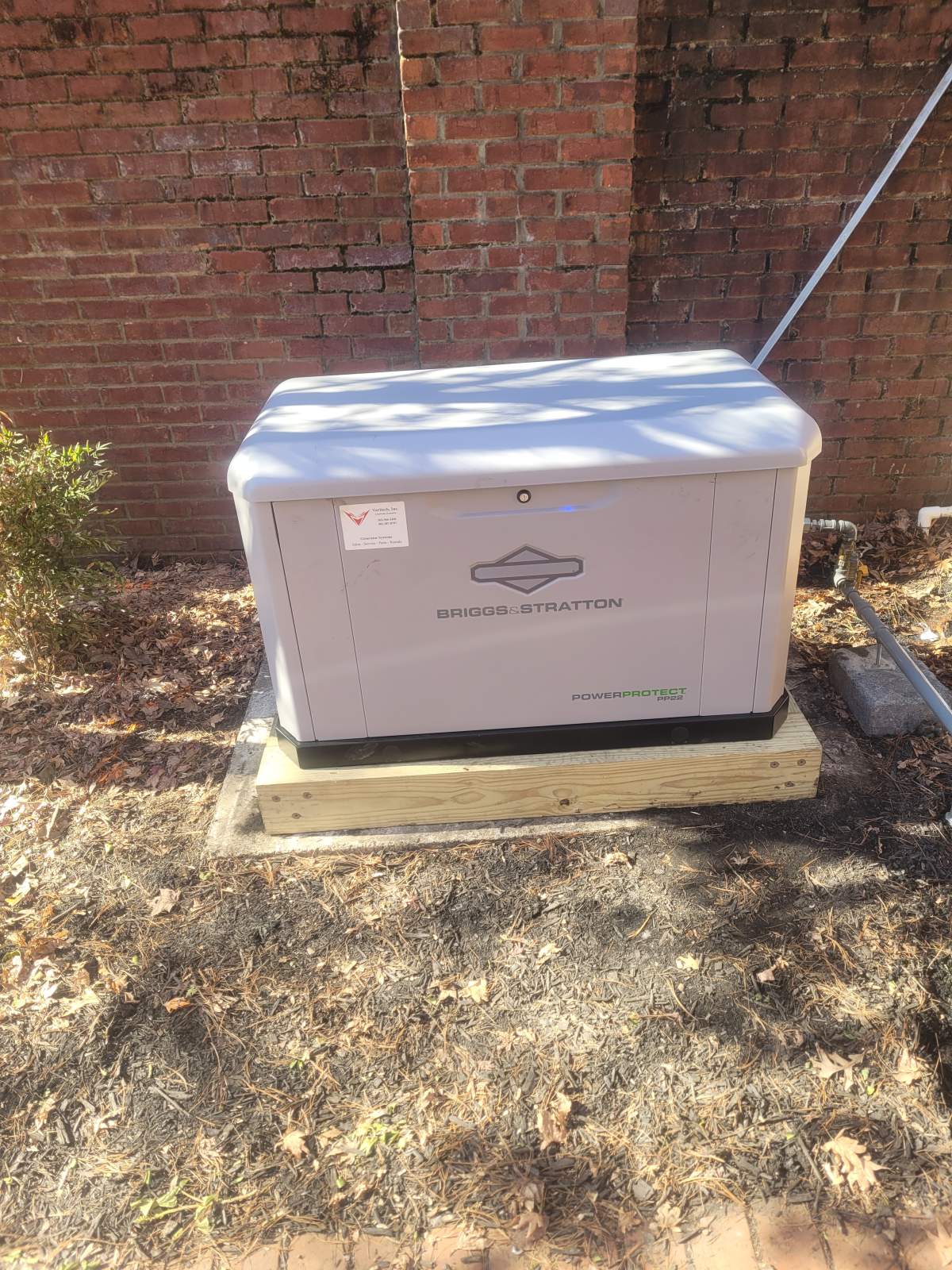
Common examples include:
- Battery chargers and phones: low power demand
- Small lights: generally modest demand
- Fans: moderate demand, with a higher startup surge on some models
- Refrigerators or portable coolers: variable demand depending on the compressor
- Coffee makers, hot plates, and heaters: often high demand
- Medical equipment: follow the equipment manufacturer’s power requirements exactly
Avoid connecting more devices than the generator can safely support. If the unit strains, surges, trips a breaker, smells hot, or produces unusual sounds, shut it down and investigate the cause.
Which extension cords are appropriate?
Use outdoor-rated, heavy-duty extension cords with a capacity that matches the generator and connected equipment. Cords should be long enough to keep the generator in a safe location without being tightly stretched, but unnecessary extra length can increase voltage loss.
Do not connect household power strips or indoor extension cords to an outdoor generator. Never run cords through standing water, under rugs, through vehicle doors, or across driving lanes where they could be crushed or damaged.
Keep connections elevated and protected from rain, while still allowing heat to escape. A ground-fault circuit interrupter can reduce shock risk in damp outdoor conditions, but it cannot correct an overloaded circuit or damaged cord.
How can generator use be considerate of other campers?
Noise is one of the most common causes of conflict at a campground. Operate the generator only during permitted hours and use the lowest practical power setting. Turn it off when charging is complete or when electricity is not needed.
Place the generator as far from neighboring campsites as the rules allow, without moving it into an unsafe location. Avoid running it continuously for background entertainment. Battery packs, rechargeable lanterns, and solar charging equipment can reduce operating time for small electronics.
Be especially careful during warm, humid weather. People may keep tent and camper openings closed for exhaust protection, but a running generator can still create noise and heat that affect nearby sites. Stormy conditions also increase the danger of wet connections, falling branches, and unstable ground.
What should happen if severe weather develops?
Turn off and unplug equipment before moving or covering the generator. Do not handle electrical connections with wet hands or while standing in water. If flooding, lightning, high winds, or falling debris becomes a concern, leave the area and follow campground emergency instructions.
A generator is not a shelter and should never be operated inside a vehicle or enclosed structure during severe weather. In Louisville, sudden summer storms can bring heavy rain and wind, so checking the forecast before departure and identifying a safe place to take shelter are essential parts of trip planning.
When is a generator unnecessary?
A generator may not be worth bringing if the campsite has no permitted operating hours, if only phones and small lights need charging, or if the trip is short. Battery banks, rechargeable lights, vehicle charging systems, and properly sized solar equipment may meet those needs with less noise, fuel, and maintenance.
For any camping setup, the safest generator is one that is used sparingly, kept fully outdoors, monitored while running, and shut down whenever its power is not actually needed.