

 See My Latest Article on HelloNation
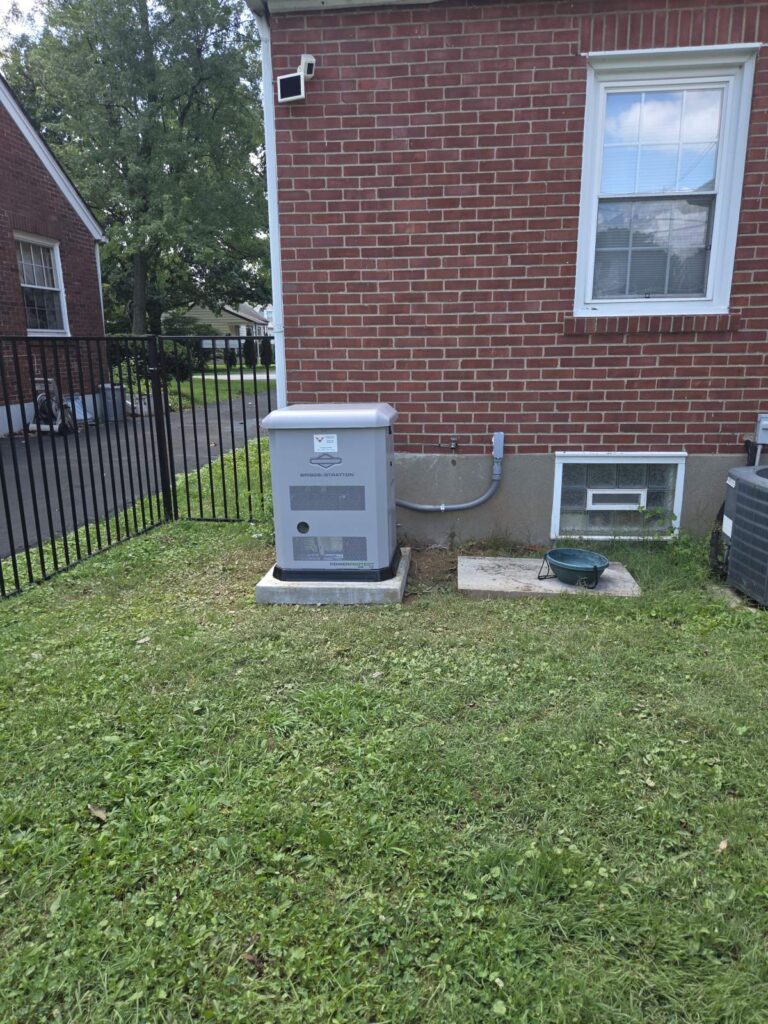
Power outages can happen during severe thunderstorms, ice, wind, flooding, or winter weather. A portable generator can keep selected appliances operating, but connecting it incorrectly can cause electrocution, fire, carbon monoxide poisoning, or deadly electrical backfeed into utility lines.
The safe connection method depends on whether the generator will power individual appliances or selected circuits through the home’s electrical system.
What is the safest way to connect a generator to a house?
The safest basic method is to operate a portable generator outdoors and connect appliances directly with properly rated outdoor extension cords. If the generator will supply household circuits, it must be connected through a correctly installed transfer switch or approved interconnection system.
A transfer switch separates the home from utility power before generator power is supplied. This prevents the generator from sending electricity backward through the utility service lines.
There are two standard approaches:
- Direct appliance connection: Plug appliances into the generator using heavy-duty, three-prong outdoor cords rated for the electrical load.
- Transfer-switch connection: Connect the generator to an inlet linked to a transfer switch that supplies only designated household circuits.
A transfer switch is required when powering hard-wired equipment, selected wall outlets, lighting circuits, a sump pump, or a furnace blower through the home’s wiring.
Why must backfeeding be avoided?
Backfeeding occurs when electricity from a generator enters the home’s wiring and travels outward toward the utility lines. This can happen if someone connects a generator to a wall outlet or attempts to energize the house by manipulating circuit breakers.
Backfeeding is extremely dangerous because utility workers may believe a line is de-energized while generator power is present. It can also damage the generator, create arcing, and start a structure fire.
Never use a “suicide cord,” sometimes described as a cord with two male plugs. Never plug a generator into a household wall outlet. A wall outlet is not designed to receive power from a generator, and this method bypasses essential safety protections.
A portable generator should not be connected to a main electrical panel unless the installation includes equipment specifically designed to prevent the utility and generator sources from being connected at the same time.
How does a transfer switch work?
A transfer switch changes the source of electricity feeding selected circuits. Depending on the design, it may be operated manually or automatically.
A properly installed system generally includes:
- An outdoor generator inlet
- A properly sized cable between the inlet and transfer equipment
- A transfer switch or approved interlock system
- Selected circuits that are compatible with the generator’s capacity
- Grounding and bonding arranged according to the applicable electrical requirements
- Labels identifying generator-fed circuits and operating positions
The switch must disconnect utility power before connecting the generator. The reverse must also occur when normal service returns. This is known as open-transition transfer.
A transfer switch does not make an undersized generator capable of powering an entire house. It only provides a safe method for supplying selected circuits. Large appliances such as electric ranges, central air-conditioning systems, electric water heaters, and whole-house electric heat may exceed the capacity of a typical portable unit.
What should be done before connecting a generator?
Before an outage, determine which equipment is truly necessary. Refrigerators, freezers, medical equipment, lighting, internet equipment, sump pumps, and furnace blowers are common priorities. Check each appliance’s running wattage and starting wattage.
Motors and compressors often require a temporary surge of power when starting. A refrigerator may use much more power for a few seconds during startup than it does while running. Add the starting requirements of equipment that may operate at the same time, and keep the total below the generator’s rated output.
Also verify:
- The generator has the correct voltage and receptacle type for the intended connection.
- Extension cords are outdoor-rated, grounded, undamaged, and large enough for the load.
- Cords are kept away from standing water, snow, hot surfaces, driveways, and walking paths.
- Fuel is stored in approved containers away from ignition sources.
- The generator manual is available and understood before an emergency occurs.
In Louisville, outages may accompany heavy rain, thunderstorms, freezing temperatures, or wet snow. Moisture creates additional shock hazards, so equipment should be placed on a dry, stable surface and protected only in ways permitted by the manufacturer. Do not improvise a sealed enclosure around a running engine.
Where should a portable generator operate?
A portable generator must run outdoors, at least 20 feet from the home and away from doors, windows, vents, and other openings. Exhaust should point away from the building and neighboring occupied spaces.
Never operate a generator inside:
- A home or basement
- An attached or detached garage
- A crawlspace
- A shed
- A covered porch
- A carport
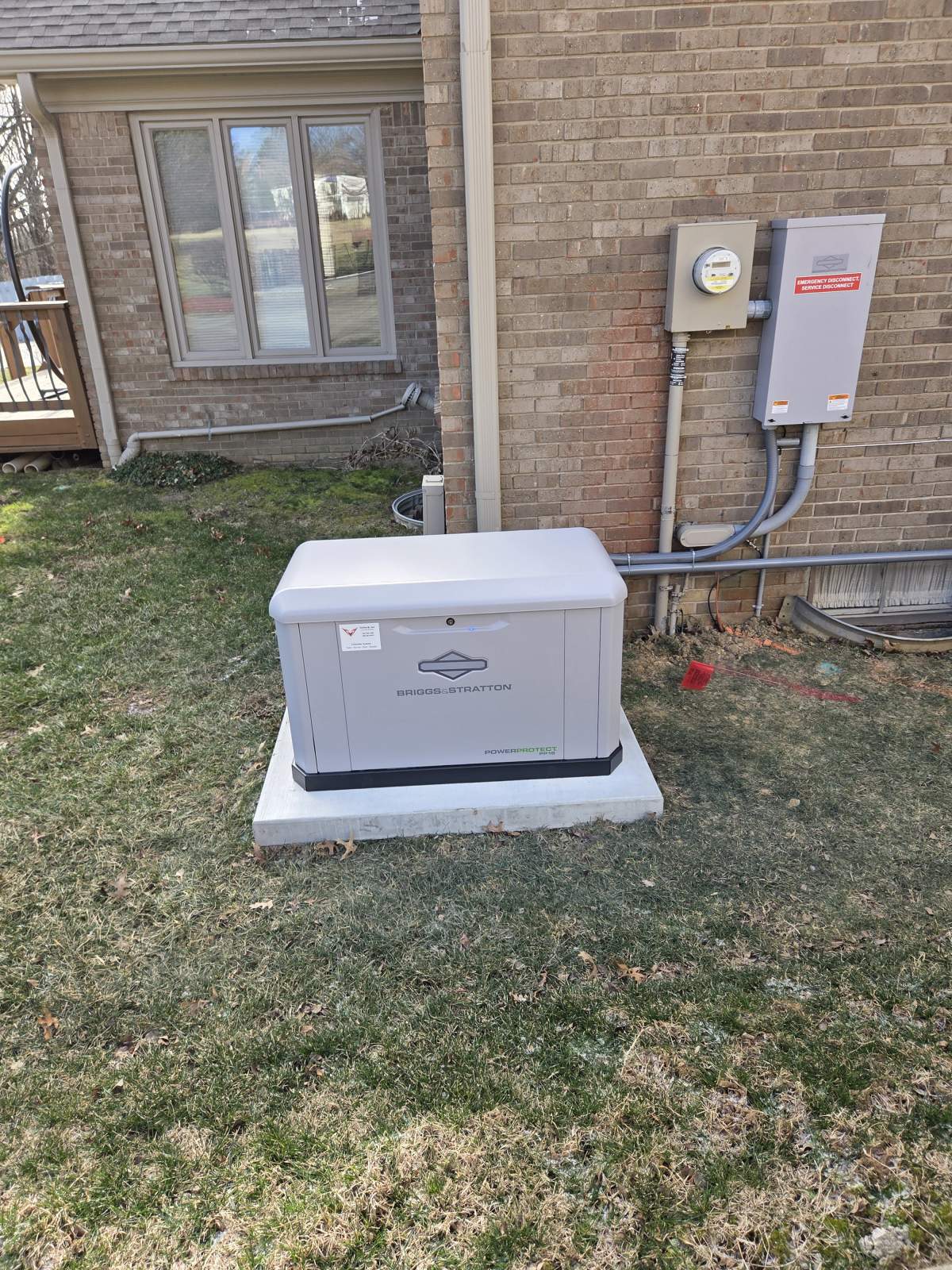
Opening a garage door or window does not make indoor operation safe. Carbon monoxide can accumulate quickly and may be impossible to see or smell. A working carbon monoxide alarm should be installed on each level where people sleep or spend time.
Keep the generator away from areas where children and pets can reach hot surfaces, fuel, or moving parts.
Are electrical permits required for a generator connection?
A permanent generator connection, transfer switch, inlet, or related wiring is electrical work and generally requires a permit and inspection in Louisville, KY. Local requirements apply to work covered by the Kentucky Building and Electrical Codes.
A homeowner who lives in the property full-time may be allowed to apply for certain residential permits, while electrical work performed for another property generally requires a properly licensed electrician to obtain the permit. Requirements can vary by project, so the permit status should be confirmed before wiring begins.
Starting electrical work without the required permit can result in penalties and may create problems with inspection, insurance, or future property records.
Portable generator use with extension cords is different from installing a permanent connection. Simply plugging in an appliance is not the same as altering the home’s electrical system.
How should a generator be started and shut down?
For a direct appliance connection, turn appliances off before starting the generator. Start the generator according to its manual, allow it to stabilize, and then connect loads one at a time.
Avoid connecting every appliance at once. Staggering startup reduces the chance of overloading the generator.
Before refueling:
- Turn the generator off.
- Allow the engine and muffler to cool.
- Move approved fuel containers away from hot equipment.
- Clean up any spilled fuel before restarting.
When utility power returns, turn off and unplug connected loads, disconnect generator power using the transfer equipment if installed, and allow the generator to cool before shutdown or storage. A transfer switch should never be moved between utility and generator positions while the generator is being connected in a way the equipment instructions prohibit.
What are common generator connection mistakes?
The most dangerous mistakes include:
- Plugging a generator into a wall outlet
- Connecting generator power to a main panel without approved transfer equipment
- Running the generator in a garage or under an enclosed porch
- Using undersized or damaged extension cords
- Overloading the generator with heating or cooling equipment
- Refueling while the engine is hot
- Ignoring rain, flooding, or wet electrical connections
- Assuming a generator can power the entire house because it has a large fuel tank
A safe setup is based on separation from utility power, adequate electrical capacity, outdoor ventilation, dry connections, and careful load management. For area households preparing for seasonal outages, installing and testing the correct transfer equipment before severe weather is safer than attempting an improvised connection during an emergency.