

 See My Latest Article on HelloNation
What Types of Home Generators Are Common for Local Homes?
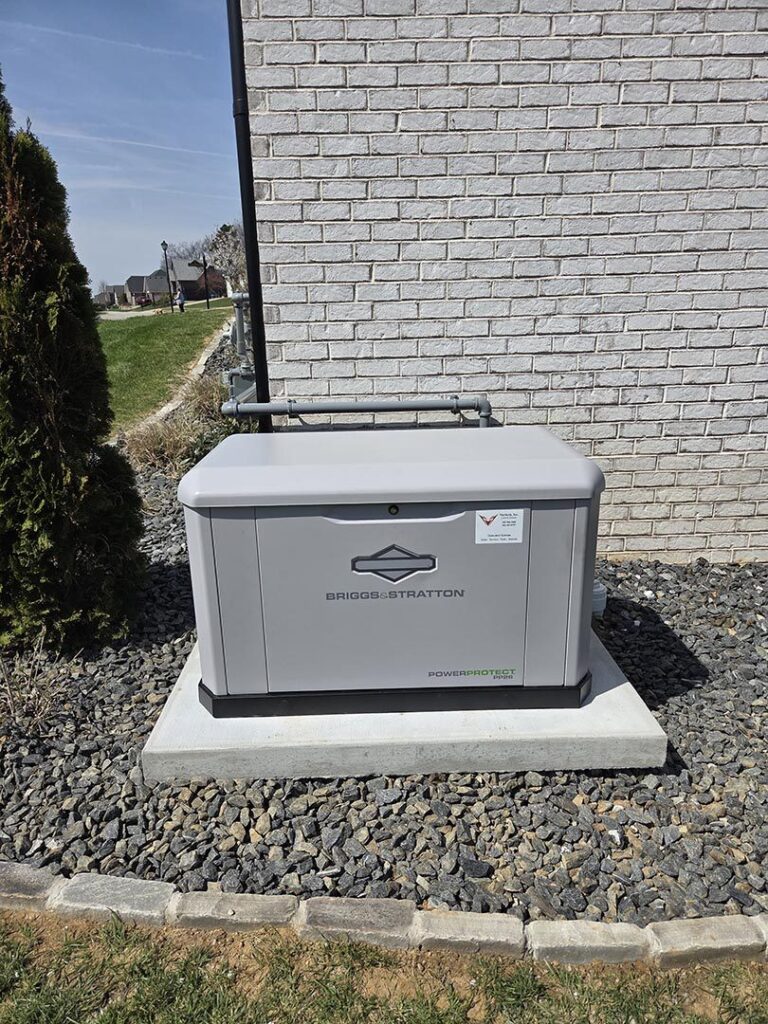
Most residents use either portable or standby (whole-home) generators. Portable models, fueled by gasoline or propane, offer basic backup for select appliances during brief outages. Standby generators are permanently installed outside the home, connect directly to the electrical system, and automatically supply power when the main electricity fails. Standby units typically run on natural gas or liquid propane and can power all or most of a home, which makes them appealing given the seasonal storms and winter weather in Louisville, KY.
How Much Power Do I Need to Run Essentials During an Outage?
The right size depends on the appliances and systems considered essential. Many local households prioritize:
- Refrigerators and freezers
- Sump pumps (vital during heavy rain events)
- Heating or air conditioning units
- Medical equipment
- Lighting and charging devices
A common portable generator provides around 3,500-7,500 watts, enough for a few key items. A typical whole-home standby generator ranges from 10,000 to 22,000 watts or more, supporting central appliances and climate control. Estimating usage during a typical severe weather outage helps prevent frustrations or unexpected overloads.
How Are Local Regulations and Permitting Handled?
Permanent generator installations, particularly whole-home systems, almost always require permits under local building and electrical codes. Louisville requires inspections to ensure generators conform to setback requirements, fuel line safety, and electrical standards. Portable generators, used outside on a temporary basis, usually don’t require permits as long as they do not connect to permanent home wiring. Planning a project with compliance in mind helps avoid delays, fines, or unsafe setups.
What Are Safe Operating Practices for Home Generators?
Generator misuse can lead to carbon monoxide (CO) poisoning, electrical hazards, and fire risk. Safety basics include:
- Always place portable generators outdoors, well away from doors and windows.
- Never run a generator inside a garage, basement, or enclosed space, even with doors open.
- Use only extension cords rated for outdoor, heavy-duty use.
- Install battery-operated CO detectors in living spaces.
- For standby units, schedule regular maintenance and testing, especially before storm season.
Making safety a habit goes a long way toward protecting households during a blackout.
How Long Can Generators Run Without Refueling?
Most portable generators can run for 8-12 hours on a full tank of fuel, though this decreases with heavier loads. Standby models, when connected to the natural gas line, can operate for days as long as gas service continues. If propane powered, runtime depends on tank size and consumption—a 500-gallon tank may support an average home for about a week with typical usage. Monitoring fuel levels and having a backup plan is especially important in regions with extended outages.
Are Generators Loud? What Should Residents Expect?
Generator noise varies widely by type, model, and installation. Portable generators tend to be louder—sometimes exceeding 70 decibels, about as loud as a vacuum cleaner—while modern standby units usually operate in the 60-70 decibel range and sound more like a running air conditioner. Local ordinances may limit operating noise, especially at night. Placing generators farther from living spaces and neighboring homes helps minimize disturbances.
What Maintenance Do Home Generators Require?
Portable generators need basic maintenance, such as oil changes, fuel stabilizers, filter replacements, and periodic testing. Standby generators require more structured service, often at least yearly:
- Changing oil and spark plugs
- Cleaning or replacing air filters
- Testing automatic transfer switches
- Running exercise cycles (automatic weekly start-ups keep components in good condition)
Careful maintenance improves reliability during emergency use—especially during ice storms, wind events, or grid maintenance in the local area.
Can Solar Panels Be Used Instead of or With Generators?
Solar power paired with battery storage offers an option for some Louisville households. However, solar alone usually cannot replace a generator for severe, drawn-out outages—especially during multi-day cloudy periods, winter storms, or nighttime. Some residents combine solar with a generator for flexibility, but panel size, sunlight exposure, and storage capacity all matter. Hybrid approaches are becoming more common, particularly for those looking to reduce fuel dependency.
What Are the Most Overlooked Steps in Preparing for Outages?
Common missed steps include:
- Sizing the generator based on actual starting (not just running) wattage of large appliances.
- Frequently testing the generator and transfer switch, not just at installation.
- Storing fresh fuel safely and using proper fuel stabilizers.
- Reviewing owner’s manuals and local regulations in advance, not just during an emergency.
- Planning for pets, medication, and any life-support systems powered by electricity.
A proactive approach prevents last-minute scrambling and improves peace of mind.