

 See My Latest Article on HelloNation
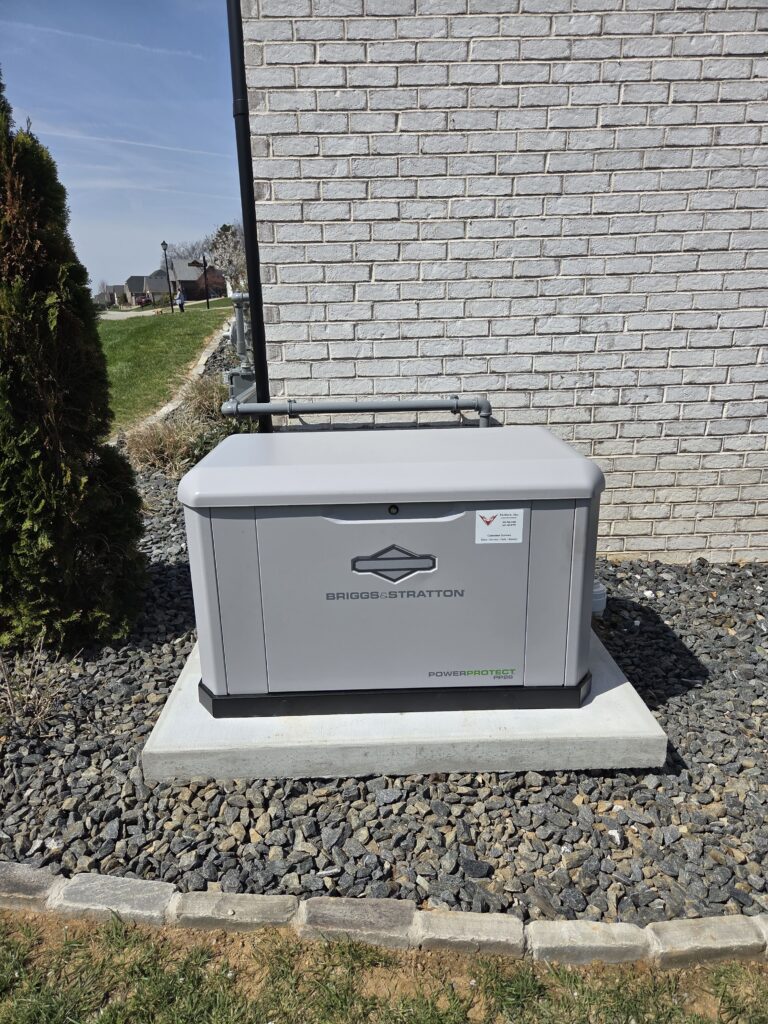
What Causes Generators to Be Loud?
Portable and standby generators make noise primarily because of their engines and exhaust systems. The sound comes from the combustion process, moving engine parts, cooling fans, and the movement of exhaust gases. Most residential generators use internal combustion engines similar to those found in lawn mowers or small vehicles, creating a noticeable noise profile whenever they're running.
For many Louisville residents, quiet neighborhoods and close property lines mean that generator noise can be a real concern, especially during power outages when machines might run for extended periods. The intensity and quality of the sound depends on the generator’s size, engine type, age, and how it’s housed.
How Loud Is a Typical Home Generator?
Home generators often operate in the 60 to 90 decibel (dB) range. For context:
- 60 dB is about the sound of a normal conversation a few feet away.
- 90 dB is similar to a lawn mower running nearby.
Louisville’s city sound ordinances generally prohibit sustained loud noises that disturb neighboring homes, particularly at night. While portable generators are often louder, newer models tend to be quieter, and standby units can be quieter still—especially if housed or shielded appropriately.
Are There Rules for Generator Noise in Louisville, KY?
Yes, the city’s noise ordinances limit disruptive sounds, especially in residential areas and during nighttime hours. Excessive generator noise, particularly after dark or early in the morning, can lead to complaints from neighbors and, in some cases, citations from local authorities.
Generators should ideally only be run for essential purposes, with special attention to time of day and local patterns—such as during thunderstorms or after an ice storm in winter, when widespread outages can last hours or days. It’s wise to double-check updated noise restrictions with Louisville Metro Government resources to ensure compliance.
Why Does Generator Noise Feel Louder in the City?
Several factors make generator noise stand out in residential communities:
- Homes in Louisville often sit close together, meaning sound travels easily between properties.
- Fewer trees and thick city landscaping can reduce natural sound barriers.
- Nighttime and early morning hours are much quieter overall; any consistent noise is more noticeable.
- Weather affects noise: humid summer air can carry sound farther, and snow can dampen it.
Many residents find that what seems like an “acceptable” noise level during the day feels much louder late at night or in the stillness after a storm.
What Are Realistic Ways to Make a Generator Quieter?
Directly lowering the amount of noise a generator creates requires changes to how it operates and where it's placed. Some effective, practical steps include:
- Position carefully: Set up generators away from windows, doors, and property lines. Even several extra feet of distance can make a noticeable difference in volume for neighbors.
- Use barriers: Sound-absorbing screens, fences, or purpose-built enclosures can block noise. Materials like dense wood, sound-deadening blankets, or even a row of shrubs can help.
- Place on soft surfaces: A pad of rubber matting or thick grass beneath a generator reduces vibration that can increase noise and rattle through the ground.
- Maintain the generator: Regular oil changes, clean air filters, and tight engine bolts prevent excessive mechanical sounds.
- Upgrade or retrofit mufflers: Adding or replacing a muffler may help decrease exhaust noise, though not all portable models are easily upgraded.
- Consider inverter generators: These are often quieter due to different engine technology and sound-dampening design, making them more suitable for use in close quarters.

Does Putting a Generator in the Garage or Shed Help?
Storing or running a generator inside a closed garage, shed, or basement is extremely dangerous and should never be done because of the risk of carbon monoxide poisoning. Any attempt to soundproof a generator must still allow for open airflow to safely dissipate engine exhaust.
Safe sound reduction involves outdoor placement with custom enclosures specifically designed for generators. These enclosures must allow exhaust gases to escape freely while dampening noise.
How Do Weather and Seasonal Use Affect Generator Noise in This Area?
Storms, power outages, and outdoor events can all prompt temporary generator use, often for hours or days at a time. Louisville’s mix of hot, humid summers and cold, icy winters brings predictable surges in local generator usage during severe weather. In winter, slab foundations and minimal insulation in older homes may make engine noise more noticeable, especially in the early morning.
During heatwaves, when air conditioning is crucial, windows are often kept closed, slightly reducing the perceived sound from outside generators. In spring and fall, when windows are open, generator noise is more likely to disturb both the user’s home and neighboring properties.
What Should Residents Tell Their Neighbors About Generator Noise?
Advance communication can help minimize potential frustrations. Many people appreciate a short heads-up if a generator may run for more than a few minutes, especially during overnight hours. For example:
- Let neighbors know the reason for generator use (such as a medical need or planned maintenance outage).
- Explain how long you expect to use it, and what efforts you’ve made to limit noise.
- Welcome feedback, and be open to minor adjustments in placement or schedule if something is causing a particular disturbance.
Thoughtful discussion relieves tension and can prevent noise complaints in close-knit or densely populated areas.
Common Myths: Can You Make a Generator Silent?
No home generator can be made truly silent. Some manufacturers advertise “quiet” or “ultra-quiet” models, but all involve moving parts and combustion processes that produce at least some sound. Simple solutions, like covering a generator with a blanket or tarp, do not safely reduce noise and often create fire or ventilation hazards.
Practical noise reduction comes from well-chosen, properly maintained equipment, thoughtful positioning, and respect for neighbors—rather than expecting total silence from any engine-driven unit.