

 See My Latest Article on HelloNation
Why Should Residents in Louisville, KY Test Their Generators Regularly?
Testing your generator at home is the best way to know it will actually work if the power goes out. Many generators sit unused until an emergency, so checking them before you need them helps prevent surprise failures during bad weather or unexpected outages. In a city like Louisville, where storms can cause outages any time of year, reliability means peace of mind.
Louisville homes often experience outages from severe storms, ice events, or flooding. Since utility repairs can take hours or days in some neighborhoods, being confident in backup power is essential for keeping fridges running, sump pumps working, and medical devices charged during disruptions.
What’s the Simplest Test for a Home Generator?
A “no load” or start-up test is the basic check to ensure your generator powers up and runs smoothly.
To do this:
- Move the generator outside (if portable), following all safety guidelines to prevent carbon monoxide buildup.
- Check fuel and oil levels before starting.
- Start the generator according to the manual.
- Let it run for 10–15 minutes, listening for odd noises and watching for unexpected shutoffs, leaks, or indicator lights.
- Monitor the exhaust for unusual smoke.
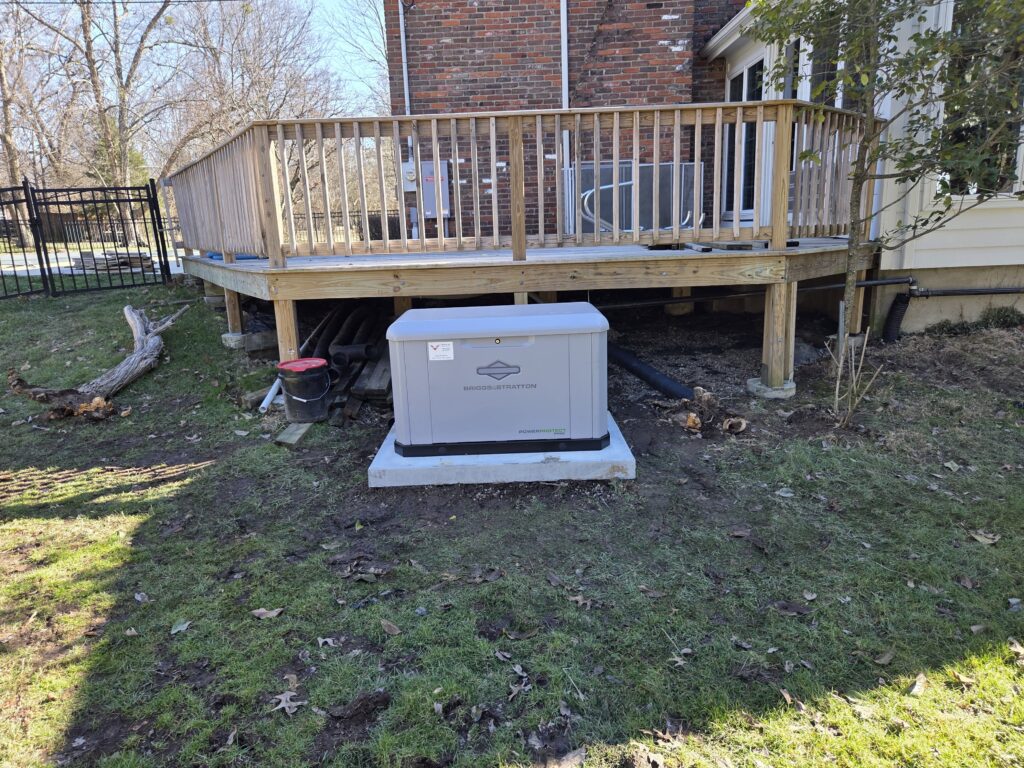
If you use an automatic standby generator (connected to the home’s electrical panel), it should perform self-tests weekly. Confirm the weekly self-test actually happens by listening for the short run time or checking the device panel display.
How Do You Do a “Load Test” to Check Generator Output?
A load test goes beyond just starting the engine. It ensures your generator produces enough power to handle household essentials during an outage.
For most portable generators:
- Use heavy-duty extension cords rated for outdoor use.
- Plug in items you’d use during an outage, like lamps, a refrigerator, or a space heater (never exceeding the wattage rating).
- Listen for engine changes—a smooth hum without bogging or stalling usually means it’s functioning properly.
- Watch for lights flickering or electronics resetting, which can suggest fluctuating power.
- After 10–20 minutes, unplug devices and turn off the generator according to safety instructions.
For standby generators, the internal transfer switch can safely shift power to test household circuits. Double-check the home’s essential outlets, lights, and appliances during a test run, and confirm everything operates normally.
How Often Should You Test Your Generator in Louisville?
Monthly is a practical goal for most households, with extra checks before severe weather seasons.
In Louisville’s humid summers and cold winters, varying temperature and moisture can affect generator performance differently across the year. Regular test runs through different seasons help reveal overlooked issues like moisture buildup, battery failure in temperature swings, or fuel system blockages.
Try scheduling generator checks before known storm seasons and after long idle periods.
What Maintenance Steps Improve Testing Accuracy?
Basic maintenance ensures your tests really reflect how the generator will perform when needed.
- Replace or top off fuel; old gasoline can gum up carburetors.
- Change oil and oil filters as recommended by the manufacturer.
- Inspect and replace air filters if dirty.
- Test or replace the battery in standby models (Louisville winters can drain batteries quickly).
- Verify cables, spark plugs, and exhaust areas are clean and free of debris or nests.

Keep a log of each test with the date and anything unusual you observed.
What Are Common Mistakes or Misconceptions?
Many homeowners believe simply starting a generator occasionally is enough, but this ignores critical factors:
- Skipping load tests means you won’t know if the generator trips off or struggles with real household demands.
- Forgetting to position portable models outside and away from windows risks carbon monoxide buildup.
- Assuming last year’s gasoline is still usable can result in a no-start problem when it matters most.
- Overloading the unit during a test (or an actual outage) can permanently damage both the generator and appliances.
- Not reading the user manual leads to missed steps and unnoticed error codes.
What Signs Suggest You Should Not Perform DIY Testing?
Some situations call for extra caution:
- Frayed wires, leaks, or visible damage—don’t start or plug in the generator if you see these.
- Odd electrical smells, tripped circuit breakers, or recent storm damage to your home’s wiring may signal deeper problems.
- If your standby generator triggers error codes you don’t understand, consult the manual or a properly trained expert, especially if there are risks of electric shock or gas leaks.
What Else Should Louisville Households Keep in Mind?
The climate in Louisville means moisture and long idle periods can affect reliability. Storing portable generators in dry, ventilated areas extends their lifespan. Keep spare fuel (with stabilizer) and batteries in their original containers and away from living spaces.
Local building codes may require standby generators to be installed and maintained according to specific regulations—especially in houses with older wiring or near flood-prone basements. Residents should review local guidelines to avoid electrical hazards or code violations.
Making generator tests a regular habit ensures families in the area can weather outages more comfortably and safely, reducing surprises when the lights go out.