

 See My Latest Article on HelloNation
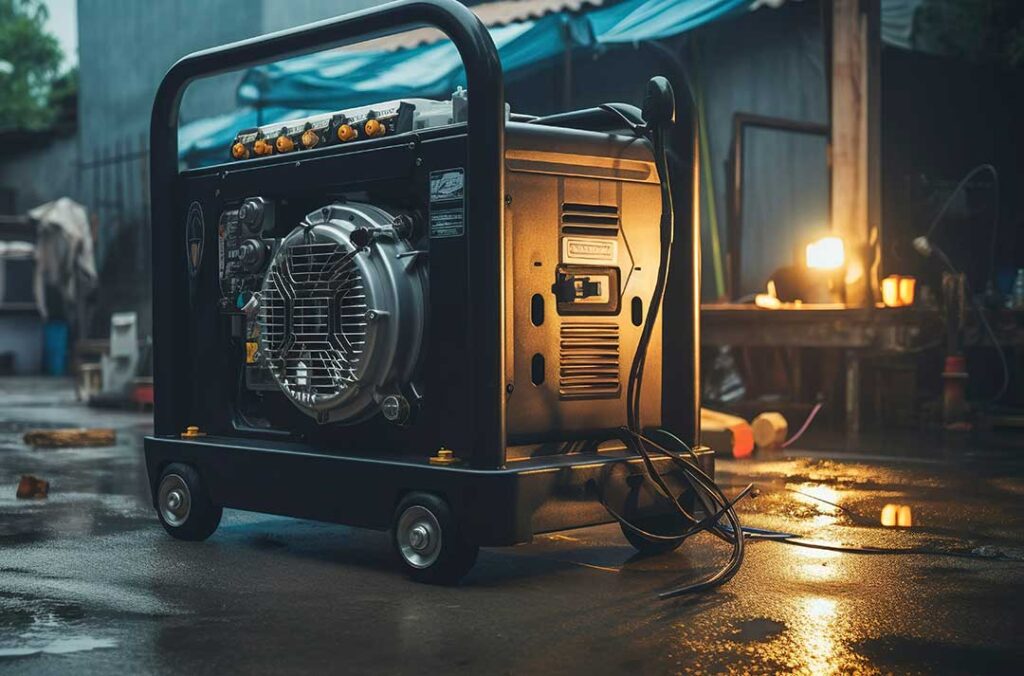
Power outages can affect area households during summer thunderstorms, winter ice, high winds, and other severe weather. A generator may provide temporary electricity, but the right accessories determine whether it can be used safely, efficiently, and without damaging appliances or household wiring.
Accessories are not simply convenience items. Some help control electrical connections, protect equipment from weather, reduce carbon monoxide risks, or make fuel storage safer. The correct choices depend on whether the generator is portable or standby, what appliances need power, and how the home is wired.
What accessories are essential for a portable generator?
The most useful accessories for a portable generator are heavy-duty outdoor extension cords, a weather-protective cover or canopy designed for generator use, a carbon monoxide alarm, a fuel-storage container, and basic maintenance supplies.
Each item serves a different purpose:
- Outdoor-rated extension cords: These connect appliances to the generator while allowing the generator to remain outside and away from windows, doors, and vents.
- Generator canopy or operating cover: This can help shield the equipment from rain and snow, but it must allow plenty of airflow and must be approved for use while the generator is running.
- Carbon monoxide alarms: These provide an additional warning inside the home if exhaust enters the living space.
- Approved fuel containers: Proper containers reduce the risk of leaks, vapor release, and accidental ignition.
- Maintenance supplies: Engine oil, replacement filters, spark plugs, and a funnel may be useful if they match the manufacturer’s specifications.
An accessory should never override the generator’s operating instructions. A cover, cord, or fuel container that is not designed for the intended use can create a new hazard.
Which extension cords are safe to use?
Use grounded, three-prong, outdoor-rated extension cords with a wire size and length appropriate for the electrical load. The cord’s wattage or amp rating must meet or exceed the combined demand of the appliances connected to it.
For example, a refrigerator, sump pump, and space heater may require more capacity than a single household extension cord can safely provide. High-wattage heating appliances are particularly demanding and may not be practical for a smaller portable generator.
Inspect every cord before use. Do not use cords with:
- Cuts, crushed sections, exposed wires, melted insulation, or loose plugs
- Missing grounding prongs
- Indoor-only ratings
- Connections lying in puddles or areas where water can collect
Avoid running cords where they can be pinched by doors, damaged by vehicles, or covered by rugs. Never use a male-to-male cord. Sometimes called a “suicide cord,” it can leave exposed prongs energized and is commonly associated with dangerous backfeeding.
A power strip is not a substitute for correctly rated extension cords. It may also encourage too many devices to be connected to one generator outlet.
Do homeowners need a transfer switch?
A transfer switch is necessary when a portable or standby generator is intended to power selected circuits through the home’s electrical panel. It separates the home from the utility supply so electricity cannot flow backward onto utility lines.
Without a properly installed transfer switch, connecting a generator to a wall outlet or directly to household wiring can cause electrocution, fire, equipment damage, and serious danger to utility workers. This practice is known as backfeeding and is never a safe shortcut.
A transfer switch is different from an interlock device, although both can be part of a properly designed system. The correct equipment depends on the generator, service panel, wiring arrangement, and applicable electrical requirements. Because an incorrectly installed connection can energize parts of the electrical system unexpectedly, this is one of the situations where qualified electrical work is genuinely necessary.
For many portable-generator users, plugging individual appliances directly into the generator is simpler and safer than attempting to power the entire home.
Are carbon monoxide alarms a generator accessory?
A carbon monoxide alarm is one of the most important safety additions for any home that uses fuel-burning equipment. Portable generators produce carbon monoxide, an odorless and colorless gas that can become deadly quickly.
Place working carbon monoxide alarms according to the alarm manufacturer’s instructions, particularly near sleeping areas and on each level of the home. Test them regularly and replace batteries when needed.
An alarm does not make indoor generator use safe. A portable generator must never be operated inside a house, garage, basement, crawl space, shed, or enclosed porch. It should be positioned outdoors, at least 20 feet from doors, windows, and vents, with the exhaust directed away from the home. This distance matters during winter outages, when windows may remain closed and homes may be tightly sealed.
If an alarm sounds or anyone experiences headache, dizziness, weakness, nausea, unusual tiredness, or confusion, leave the building immediately and get into fresh air.
What helps protect a generator from Louisville weather?
Louisville’s weather can shift quickly, with heavy rain, thunderstorms, high humidity, freezing temperatures, and occasional snow or ice. A portable generator should remain dry and sit on a stable surface that does not flood or collect standing water.
Useful accessories may include:
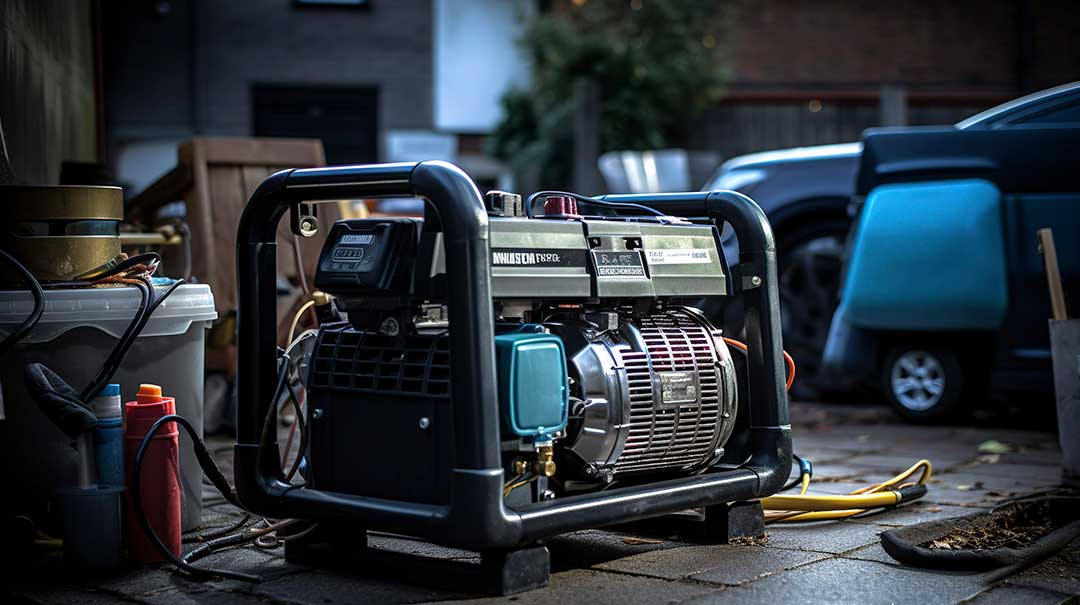
- A raised, level operating platform approved for generator use
- A ventilated canopy that keeps precipitation away without enclosing the machine
- Wheel chocks or stabilizing equipment for models with wheels
- Outdoor-rated cord covers that reduce tripping and protect cables from light moisture
- A flashlight or headlamp for nighttime setup
Never place a portable generator under a deck, inside a carport with limited ventilation, or beneath an improvised tarp that can trap exhaust. Rain protection must not restrict airflow around the engine or exhaust.
What fuel and maintenance accessories should be kept nearby?
Fuel should be stored only in approved, clearly labeled containers outside living areas and away from ignition sources. Keep containers upright and follow local fire-safety requirements and the generator manufacturer’s guidance.
Before refueling, turn the generator off and allow it to cool. Spilled fuel can ignite when it contacts hot engine parts. A small funnel designed for fuel can help reduce spills, but it does not eliminate the need for careful handling.
A practical maintenance kit may include:
- Manufacturer-approved engine oil
- A clean funnel and absorbent material for minor spills
- Replacement air and fuel filters, if specified
- A spark-plug wrench
- Work gloves and eye protection
- A written record of run time and maintenance
Do not store gasoline for long periods without considering fuel deterioration. Stale fuel can make starting difficult and may contribute to engine problems. Follow the owner’s manual for storage, fuel stabilizer use, and seasonal preparation.
What accessories are usually unnecessary?
Some products appear useful but can create confusion or extra risk. Indoor extension cords, undersized cords, improvised weather covers, unapproved fuel containers, and male-to-male cords should not be part of a generator setup.
It is also unnecessary to connect every household appliance. During an outage, prioritize equipment that protects health, safety, food, water, or communications. A refrigerator, medical device, sump pump, internet equipment, or a few lights may be more practical than attempting to operate electric heating, cooking, laundry, and entertainment equipment at the same time.
The safest generator accessory setup is usually the simplest one: properly rated outdoor cords for direct appliance connections, carbon monoxide alarms inside, safe fuel storage, weather protection that preserves ventilation, and a code-compliant transfer system only when the home is designed to use one.