

 See My Latest Article on HelloNation
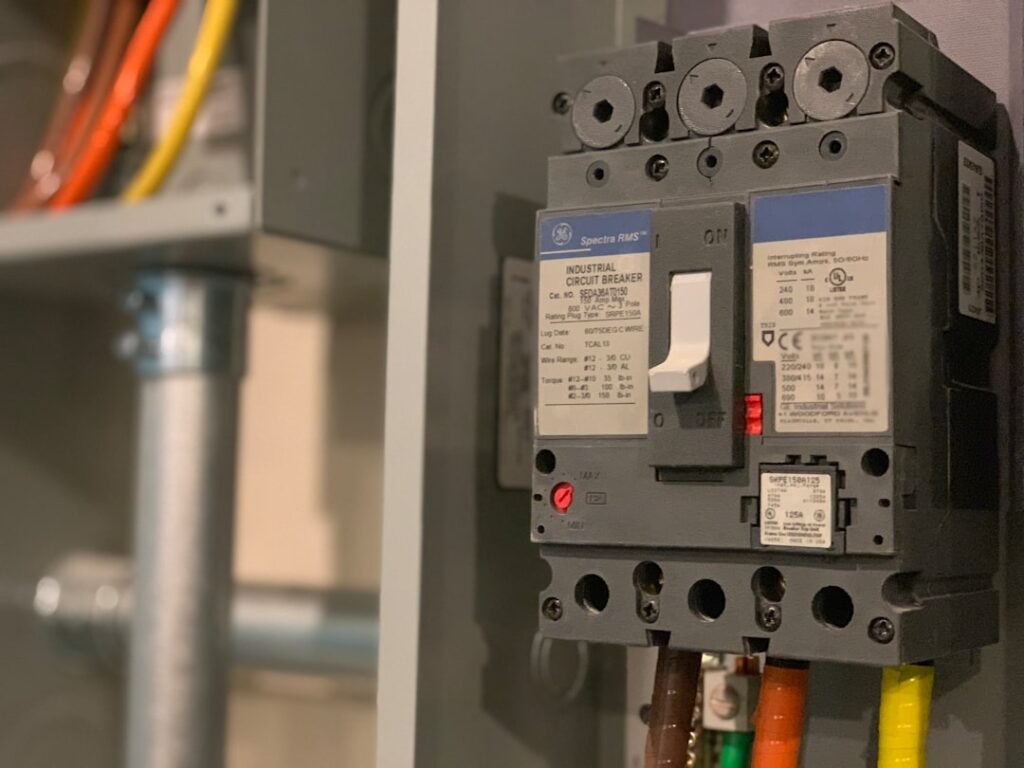
What Is a Generator Transfer Switch?
A generator transfer switch is a specialized electrical device that safely shifts your home's power source from the utility grid to a backup generator during an outage. This switch prevents dangerous backfeeding to the power lines and allows residents to run selected circuits or the entire home on generator power without unplugging appliances or running extension cords.
Transfer switches are often located near your main electrical panel. They are required by electrical code for safe generator use with home wiring, especially when connecting larger standby or portable generators to household circuits.
Why Are Transfer Switches Essential in Louisville?
Transfer switches protect homes, the grid, and utility workers during power outages, which are not uncommon in Louisville given our frequent storms, ice events, and aging infrastructure. Without a transfer switch, connecting a generator directly to your home’s circuits can send electricity back into the power grid, posing a serious shock hazard.
In this area, seasonal weather—from intense thunderstorms to winter ice—makes reliable backup power appealing. A transfer switch allows area households to transition power smoothly, keeping essentials like furnaces, refrigerators, sump pumps, and medical equipment running without endangering yourself or utility crews.
How Does a Transfer Switch Work?
A transfer switch disconnects your home from the utility line before connecting to the generator’s power. There are generally two main types:
- Manual transfer switches require a person to flip the switch from "line" (utility) to "generator."
- Automatic transfer switches sense a power loss and switch sources automatically, often used with standby generators.
When utility power is restored, the switch returns your home to the grid and isolates the generator. This transition is crucial to avoid electrical surges or damage.
Manual vs. Automatic Transfer Switches: Which Fits Local Homes?
Most single-family residences in the Louisville area that use smaller, portable generators opt for manual transfer switches for cost and simplicity. These let you choose which circuits power up during an outage and give you direct control.
Automatic transfer switches are more common with whole-house standby systems, especially if you want seamless power for larger homes or where outages might happen while you're away. For residents who depend on uninterrupted power (such as for medical equipment), automation minimizes downtime.
Each type must meet local electrical codes and be installed correctly, as improper wiring can create serious risks.
What Should a Homeowner in Louisville Consider Before Installation?
Before installing a transfer switch, it’s important to:
- Verify the type of generator you own or plan to use and its wattage capacity.
- Identify critical circuits (heating, refrigeration, lighting) that need backup power.
- Ensure your home’s electrical system is compatible and up to code.
- Understand local permitting requirements, as installations typically require inspection for safety and code compliance.
- Plan ahead for seasonal demand—outages are more common during severe summer storms, heavy spring rains, or winter weather.
Local housing tends to be a mix of older homes with smaller panels and newer constructions with updated wiring, so available space and electrical load are key planning factors.
Are There Common Misconceptions About Transfer Switches?
Yes, there are several. Some local residents mistakenly believe that simply plugging a generator into a wall outlet (a practice called "backfeeding") is safe, but this is illegal and hazardous. Even using outdoor-rated cords, this setup creates dangerous electricity flow back into public lines and can start fires.
Another misconception is that transfer switches are only necessary for large standby generators. In reality, even portable generators powering a handful of circuits should always use a transfer switch for safety and effectiveness.

What Happens If a Transfer Switch Isn't Used?
Operating a generator without a transfer switch while connected to home circuits can:
- Risk serious shock or electrocution for utility workers restoring power.
- Damage your generator, household electronics, and appliances through uncontrolled power surges.
- Void electrical and home insurance coverage if improper hookup causes a fire or injury.
Using the correct switch prevents these issues and aligns with Kentucky electrical code requirements for home generator safety.
Practical Example: How Would a Family Set Up a Transfer Switch?
Consider a typical area household: They own a portable generator rated at 7,500 watts. Ice storms are frequent sources of extended power outages. The family’s priorities are keeping the furnace, kitchen refrigerator, a few lights, and the sump pump running.
- They choose a manual transfer switch rated for their generator.
- An electrician helps identify which circuits will be powered by the switch.
- The switch is mounted next to the main electrical panel and wired to the selected circuits.
- When the outage occurs, the family starts the generator outside (never indoors or in an attached garage) and flips the transfer switch to the generator position, keeping key appliances on while utility crews work.
- When utility service is restored, the switch flips back, and they safely turn off and store the generator.
Why Does Proper Transfer Switch Use Matter for Louisville Residents?
In a city with a mix of severe weather and varying electrical infrastructure, managing backup power safely is crucial. Using a transfer switch means local families don’t have to juggle extension cords through open windows or risk dangerous backfeeding. It also ensures that appliances central to health and safety stay powered during outages, regardless of the season.