

 See My Latest Article on HelloNation
Cold weather can make a generator harder to start and more vulnerable to fuel, battery, moisture, and exhaust problems. Preparing it before freezing temperatures arrive helps protect the equipment and makes emergency use safer for households in Louisville, KY.
Winter preparation is not limited to covering the generator. It includes checking the fuel system, battery, oil, air intake, electrical connections, storage location, and operating area.
What should be checked before winter weather arrives?
A generator should be inspected, cleaned, and tested before it is needed. Start with the owner’s manual because maintenance requirements vary by generator type, fuel, engine size, and installation method.
Look for:
- Oil leaks, fuel leaks, cracked hoses, loose wires, or damaged plugs
- Corrosion around battery terminals and electrical connections
- Leaves, grass, mud, or nesting material near the air intake and exhaust
- Damaged wheels, handles, covers, grounding components, or weather enclosures
- Signs of water intrusion inside the control panel or receptacles
- Unusual noises, hard starting, stalling, or unstable operation during a test run
Run the generator long enough to confirm that it starts reliably, produces steady power, and shuts down correctly. A brief start-up may not reveal problems that appear after the engine warms up.
How should generator fuel be handled in cold weather?
Fuel should be kept fresh, protected from contamination, and stored only in approved containers. Gasoline can degrade during storage, while moisture and condensation may affect fuel quality and engine performance.
For portable gasoline generators, use fresh fuel according to the engine manufacturer’s requirements. If the generator will remain unused for an extended period, follow the manual’s instructions about fuel stabilizer, draining the carburetor, or shutting off the fuel supply. Do not guess about storage procedures, since some engines are designed to be stored differently.
For propane or natural-gas generators, inspect the fuel line and connections for damage. Propane pressure and vaporization can be affected by very low temperatures, although typical winter conditions in the region are often more manageable than extreme northern climates. A generator that repeatedly loses power or fails to start in cold weather should not be modified with improvised heaters or enclosures.
Fuel safety also matters during a winter outage:
- Store gasoline away from ignition sources, living areas, furnaces, and appliances.
- Never refuel a hot or running generator.
- Allow the engine to cool before adding fuel.
- Keep fuel containers upright and closed.
- Do not store gasoline inside a basement, attached garage, utility room, or occupied structure.
Does a generator need winter-grade oil?
Cold temperatures can make engine oil thicker, which may increase starting resistance. The correct oil viscosity depends on the engine design and the temperature range listed in the owner’s manual.
Check the oil level before each extended use and change the oil at the interval specified by the manufacturer. If the generator has been used for several hours during an outage, inspect the oil again after the engine has cooled. Running with low or contaminated oil can cause serious engine damage.
Do not mix different oil types or add additives unless the manual specifically allows them. A lower-viscosity oil is not automatically better for winter operation. The correct choice depends on the engine’s requirements and the expected temperature.
How can the battery be protected from freezing temperatures?
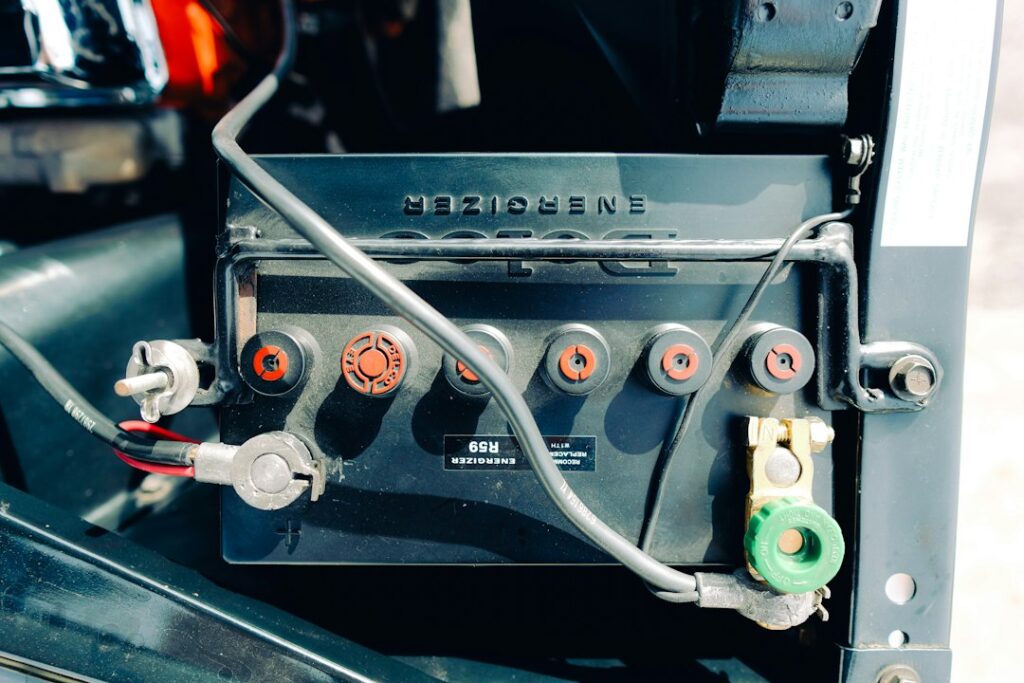
Electric-start generators depend on a battery that can lose strength in cold weather. A weak battery may appear functional during mild conditions but fail when temperatures drop.
Before winter:
- Clean corrosion from the terminals using the method recommended by the manufacturer.
- Confirm that the battery is securely mounted.
- Check the charge level if the generator has a battery monitor.
- Test the electric start and the backup recoil start, if equipped.
- Use only the approved charger or maintenance charger.
A battery stored in an unheated area can discharge more quickly during cold conditions. Never place a battery near flames, sparks, or fuel vapors, and do not use a charger with damaged cables or an unsuitable voltage rating.
Should a generator be covered during winter?

A generator should be protected from rain, snow, ice, and blowing debris, but it must never be operated under a tarp, inside a shed, beneath a porch, or in another enclosed or partially enclosed space.
For a portable unit, use a breathable cover only while the generator is turned off and cool. Remove the cover before starting the engine. A waterproof cover that traps moisture can encourage rust and corrosion, especially when temperatures move above and below freezing.
Permanently installed generators may have a manufacturer-approved enclosure. Keep the area around the enclosure clear of snow, leaves, branches, and stored materials. Do not block ventilation openings, radiator discharge areas, or exhaust outlets.
Where should a generator operate during a winter outage?
A portable generator must operate outdoors, far from doors, windows, crawl-space openings, and other areas where exhaust could enter the home. Carbon monoxide is an invisible, odorless gas that can become dangerous quickly.
Winter weather creates additional risks because windows and doors are often closed tightly. Snow can also drift around a generator and restrict exhaust flow. Before starting the unit, check that:
- The exhaust points away from the home and neighboring occupied spaces.
- Snow, ice, and debris are not blocking the exhaust.
- The generator is on a stable, level, dry surface.
- Extension cords are rated for outdoor use and the connected load.
- The unit is protected from direct precipitation without restricting airflow.
- Carbon monoxide alarms are installed and working inside the home.
Never connect a portable generator directly to household wiring through a wall outlet. This can energize utility lines and create a serious hazard. Transfer equipment must be installed and used according to applicable electrical requirements.
What winter conditions are easy to overlook?
Moisture from melting snow and freezing rain can enter receptacles, switches, plugs, and control panels. Do not operate equipment with wet connections or damaged insulation. Let moisture dry fully and investigate any signs of electrical damage before use.
Rodents and other small animals may seek shelter in a generator enclosure, especially when outdoor conditions become cold. Check for nesting material, droppings, chewed wiring, and blocked vents. Avoid placing loose chemicals or repellents inside electrical compartments unless the manufacturer specifically permits them.
Ice can also affect access. Keep the generator, fuel storage area, transfer equipment, and shutoff controls reachable without walking across unstable ice or deep snow. Do not chip aggressively around delicate electrical components or fuel lines.
How often should a winterized generator be tested?
A generator should be tested periodically according to the manufacturer’s instructions, rather than left untouched until an outage occurs. A test should confirm starting, stable operation, correct voltage, oil pressure or warning indicators, and proper shutdown.
For an automatic standby generator, scheduled exercise cycles should be reviewed before winter. Make sure the battery charger, fuel supply, service disconnects, and automatic transfer equipment are operating normally.
If the generator will power heating equipment, sump pumps, medical devices, refrigeration, or other critical loads, test the actual electrical setup when conditions are safe. A generator that starts successfully may still be unable to handle the required load.
When is professional help necessary?
Some winter maintenance is suitable for a careful homeowner, such as checking oil, cleaning debris, inspecting cords, and testing a portable unit according to its manual. Professional assistance is warranted for fuel leaks, damaged wiring, repeated failure to start, carbon monoxide concerns, unsafe exhaust routing, transfer-switch problems, or permanent gas and electrical connections.
Do not operate a generator that has been submerged, exposed to significant flooding, struck by ice or debris, or damaged in a way that could affect fuel or electrical safety. Disconnect it from use and follow the manufacturer’s inspection requirements before attempting another start.