

 See My Latest Article on HelloNation
Why Focus on Generator Safety in Louisville, KY Homes?
Generators provide backup power during outages, especially during Louisville’s storms, ice events, and tornado risks. Used incorrectly, however, they can present serious hazards for a household—most commonly carbon monoxide poisoning, fire, and electrical injury. Proper usage helps ensure families stay safe when the lights go out.
What Are the Greatest Dangers of Home Generators?
The most significant risks from residential generator use are:
- Carbon monoxide (CO) poisoning from exhaust
- Electrical shock or electrocution
- Fire hazards from improper fuel use or poor location
These dangers increase in densely built Louisville neighborhoods where nearby structures, porches, and garages may seem convenient but are unsafe for generator operation.
Where Should I Place My Generator for Safe Operation?
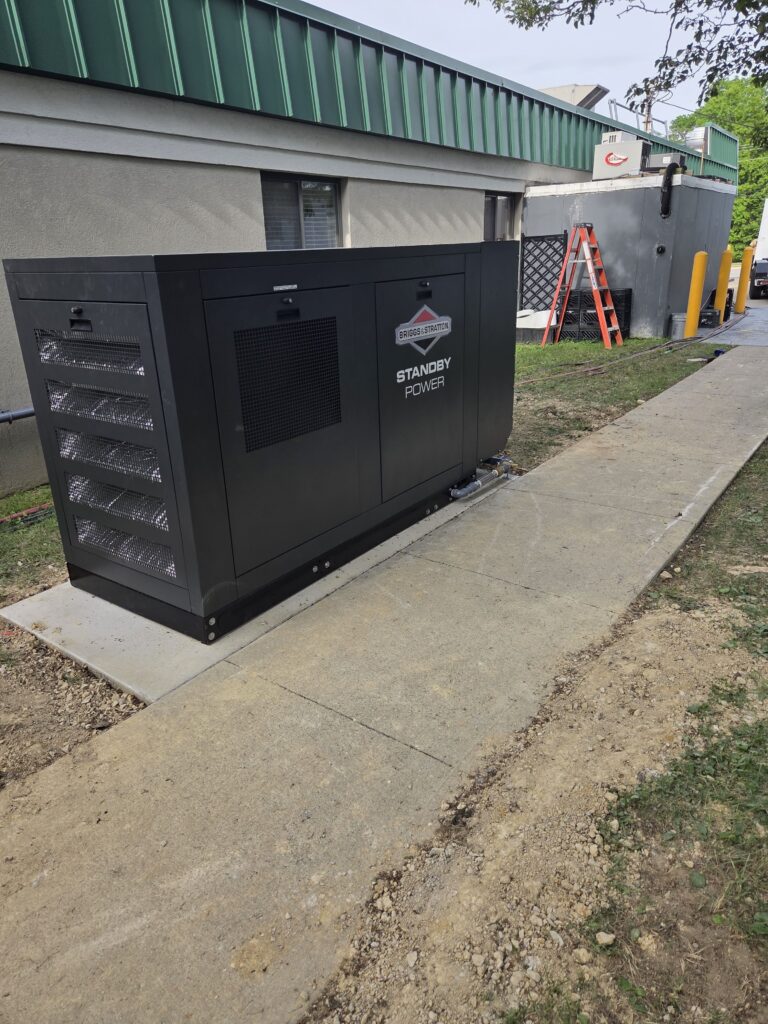
Generators need to run outside, never indoors or in garages. Even with open doors or windows, carbon monoxide can accumulate to deadly levels quickly—CO is invisible and odorless. In Louisville, yards, patios, or driveways are the safest locations if they’re:
- At least 20 feet from windows, doors, and vents
- Positioned on a flat, dry surface to prevent tipping or contact with standing water
- Away from tall grass, woodpiles, or overhanging leaves to reduce fire risk
Fenced yards may require extra attention to airflow. Avoid operating generators under carports, on wooden decks, or in any enclosed space.
How Can Carbon Monoxide Exposure Be Prevented?
CO poisoning is preventable with good ventilation and vigilant monitoring:
- Always operate generators outdoors and far from open windows, even upstairs windows that could draw in fumes
- Install battery-operated CO detectors on every level of the home, especially near sleeping areas
- Do not rely on smell or symptoms (headache, dizziness, nausea) as early warning; these can come too late
Louisville’s variable weather means generators may be used in heavy rain or winter—never move a running generator indoors for shelter. Instead, consider using a tent-style generator canopy designed for safe operation in precipitation.
How Should Extension Cords and Outlets Be Handled?
Improper cord use creates electrical hazards and fire risk. When connecting appliances:
- Use only heavy-duty, outdoor-rated extension cords with ample wattage capacity for the generator
- Inspect cords for any damage before each use—replace at the first sign of wear, cracks, or exposed wires
- Plug appliances directly into the generator if possible, rather than daisy-chaining cords
- Avoid running cords under rugs, carpets, or through windows and doors, which can cause heat buildup and damage
Never try to power a home’s wiring by plugging the generator into a wall outlet (called “backfeeding”—this is illegal and extremely dangerous).
What Should Louisville Homeowners Know About Fuel Storage?
Gasoline and other fuels require careful storage, especially in areas with temperature swings and humidity like Louisville’s. Tips include:
- Store fuel in tightly sealed, approved containers outside the home and off wooden surfaces (not inside garages or sheds attached to living spaces)
- Keep fuel away from any ignition source, including water heaters, pilot lights, and matches
- Never refuel a running generator; allow it to cool completely before adding fuel to prevent fires or explosions
Dispose of old or stale gas each season, as it can gum up engine parts and create a fire hazard.
Is It Safe to Use a Generator During Wet Weather?
Louisville’s spring storms and winter precipitation make this a frequent concern. Generators should always be shielded from rainfall—water and electricity do not mix. However:
- Do not use makeshift tarps or cover generators with plastic sheeting that restricts airflow
- Use manufacturer-approved generator tents or canopies for wet conditions to permit proper exhaust and cooling
- Ensure the generator sits on a dry, elevated surface to avoid pooling water
Placing the generator inside any type of structure (garage, shed) for rain protection increases the risk of carbon monoxide buildup and should be avoided.
What Are Common Misconceptions About Generator Use in Louisville?
Many local residents believe certain shortcuts are harmless but can endanger health and property:
- Running a generator in a garage with the door open—CO can easily flow into the house
- Cracking a window or using a fan for ventilation—not sufficient to prevent CO buildup
- Using adapters or modifying plugs to power multiple appliances—can overload circuits and lead to fire
- Relying solely on extension cords for whole-house power—generators are not meant to run all household systems without professional setup
Are There Local Regulations or Requirements for Generator Safety?
Louisville building codes and Kentucky law prohibit unsafe wiring practices such as backfeeding. Residents installing a transfer switch to power parts of their home must ensure:
- The equipment is rated for residential use
- Installation is compliant with local codes
- Electrical work meets Kentucky state requirements to protect local utility workers and neighbors
For temporary generator use, prioritize portable appliances and avoid interactions with home wiring unless you have permitted systems set up in advance.
How Can Households in Louisville Prepare for Safe Generator Use Before an Outage?
Preparation makes safe generator use easier during power emergencies:
- Read and keep the manufacturer’s manual with the generator
- Test and maintain the generator regularly, especially before severe weather season
- Keep fuel, extension cords, and accessories organized in a secure, outside-accessible location
- Educate everyone in the household on safe startup, use, and shutdown, including children and older adults
Storing CO detectors with extra batteries alongside generator accessories saves valuable time during surprise outages.