

 See My Latest Article on HelloNation
Why Do Households in Louisville, KY Consider Standby Generators?
Whole home standby generators are becoming a common solution for residents facing severe storms, aging infrastructure, and unexpected outages. Unlike portable units, these generators automatically restore power to an entire home within seconds of an outage, allowing daily life to continue uninterrupted.
Louisville often experiences tornadoes, ice storms, and heavy rain that can trigger extended blackouts. Local neighborhoods relying on above-ground power lines are especially vulnerable. Households with medical equipment, remote work requirements, or young children often consider standby power less of a luxury and more of a practical safeguard.
How Do Standby Generators Work?
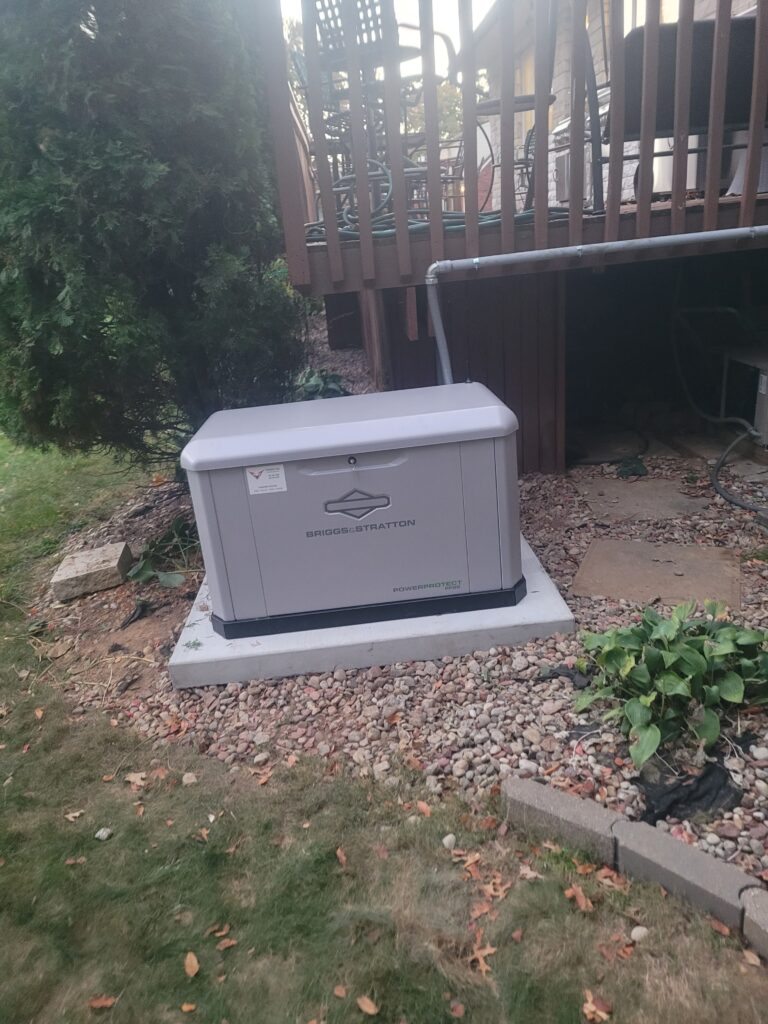
A standby generator is permanently installed outside the home and connects directly to the electrical system. It is paired with an automatic transfer switch, which senses power loss and instantly supplies electricity from the generator until utility service returns.
Unlike portable models that need to be manually setup, refueled, and reconnected, standby generators are typically powered by natural gas or propane and require little input once installed. Power delivery is seamless, so refrigerators, HVAC systems, sump pumps, and medical devices continue running without interruption.
What Are the Main Benefits for Area Households?
For many residents, the appeal goes beyond simple blackout relief:
- Consistent Comfort: Heating and cooling systems remain functional, helping protect against Louisville’s winter cold snaps and humid summer heat, both of which can be hazardous for seniors or those with health conditions.
- Preservation of Food and Medicine: Loss of refrigeration, especially after several hours, can spoil food or critical medications that require cooling.
- Home Safety: Sump pumps require power to prevent basement flooding, particularly during the heavy rain Louisville sometimes receives. Security systems, smoke detectors, and lighting also remain active.
- Remote Work and Learning: Reliable electricity supports remote jobs and virtual schooling, which are now a regular part of many households.
- Automatic Operation: Residents don’t need to be present to start the system, which is especially important if outages occur while on vacation.
What Misconceptions Do People Have?
Some residents overestimate or underestimate what a standby generator provides:
- It does not increase the electrical capacity beyond what the utility supplies; power is replaced, not expanded.
- Homeowners sometimes believe these units are maintenance-free. In reality, they require regular testing, oil changes, and periodic inspection—though less hands-on work than portable types.
- There is an assumption that all home systems run as usual, but the generator’s size determines how much can operate at once. Proper sizing ensures essential loads are covered.
How Does Our Local Climate Affect Generator Use?
Louisville’s weather patterns make reliable backup power valuable. Icy winters can cause tree limbs to disrupt power lines, while strong winds and tornadoes in spring and summer can result in days-long outages. Standby generators can also provide crucial support during heat advisories when some residents rely on fans or air conditioning for health reasons.
Flood risk is another local consideration. With the Ohio River and periodic heavy rainfall, many homes use electric sump pumps—if power fails during a major storm, water damage can quickly occur.
Are There Noise or Safety Concerns?
Standby generators do produce noise but are generally quieter than portable units. Models are engineered to minimize disturbance, though placement and housing design can affect their impact on the neighborhood.
Safety is higher than with portable models, too, since there are no extension cords snaking through windows or risk of carbon monoxide entering the home (generators are installed with outdoor ventilation in mind). Only licensed professionals should install these systems to comply with local electrical and gas codes.
Does a Standby Generator Increase Home Value?
While not every buyer looks for backup power, many view a standby generator as an added reassurance—especially in neighborhoods that have experienced repeated outages. Real estate agents sometimes note that homes with this feature may sell faster or avoid losing value during widespread blackouts.
However, installation is a personal decision that should be based on need, location, and budget, rather than assumed return on investment.
What Maintenance Is Required?
Routine maintenance is essential for longevity and reliability:
- Start a self-test weekly or monthly (newer systems often run a brief automatic checkup).
- Change oil and filters according to the manufacturer's recommendations.
- Keep the area around the generator clear of debris or vegetation.
- Schedule annual inspections to verify safe operation and readiness.

Neglected maintenance is a leading cause of startup failure during an outage. Homeowners who travel or spend extended periods away sometimes designate a neighbor or monitor unit status through smart alerts.
What Should Homeowners Consider Before Installing?
Before deciding, households should weigh several practical factors:
- Fuel Source: Most local homes can tap into natural gas, but rural properties may use propane.
- Permitting and Codes: Installation is regulated and requires adherence to building and fire safety standards.
- Power Requirements: Assess which appliances and systems are critical to daily life.
- Budget and Long-Term Plans: Installation costs and future home improvements (like HVAC upgrades) should be considered to ensure compatibility.
Understanding what is genuinely needed helps avoid overspending or under-protecting the home.
Who Benefits Most from Backup Power in the Community?
Residents particularly at risk from outages include:
- Those relying on powered medical equipment
- Parents with infants or elderly relatives at home
- People working remotely or running home-based businesses
- Anyone concerned about property damage from flood-prone basements
Neighborhoods prone to repeated outages or areas with frequent tree-lined streets may find the peace of mind worth the investment.